The hiring of a lawyer is an important decision that should not be based solely upon advertisements.
Before you decide, ask us to send you free written information about our qualifications and experience.
This web site is designed for general information only. The information presented at this site should
not be construed to be formal legal advice nor the formation of a lawyer/client relationship.
Paternity and Custody Cases in Florida: Your Guide to Legal Success with Mayersohn Law Group
Paternity and custody cases in Florida can be complex and emotional. They are more common than many realize, making it essential for couples with children to understand their rights and responsibilities. The key to a favorable outcome lies in knowing how these cases work. This article explores the intricacies of paternity and custody cases in Florida, emphasizing the value of expert legal advice from Mayersohn Law Group and how their team can guide you through the process.
Understanding Paternity and Custody in Florida
Paternity and custody cases in Florida are governed by specific laws and regulations designed to protect the rights and welfare of children and parents alike. Establishing paternity is often the first step in resolving custody disputes and is essential for determining parental rights, child support, and custody arrangements. Florida law recognizes the importance of both parents playing an active role in their child’s life, promoting shared parenting and equitable responsibilities.
The Challenges of Paternity and Custody Cases
Resolving paternity and custody cases can be fraught with challenges:
Legal Challenges: The legal system can be daunting, with numerous forms, procedures, and hearings.
Emotional Stress: Custody disputes can be emotionally charged, impacting all family members.
Financial Strain: Legal proceedings can be costly, adding financial stress to an already tense situation.
How Mayersohn Law Group Can Help
Mayersohn Law Group specializes in family law, including paternity and custody cases in Florida. Their team of dedicated professionals understands the emotional and legal nuances involved and is committed to providing compassionate, comprehensive support. Here’s how they can help:
Expert Legal Representation: Benefit from seasoned legal expertise, ensuring your case is handled effectively and your rights are protected.
Personalized Approach: Receive tailored legal strategies designed to meet your unique needs and goals.
Emotional Support: Gain not just a legal representative, but a supportive partner who understands the emotional toll of custody disputes.
Financial Transparency: Enjoy clear, upfront information about costs, helping you manage your financial planning without surprises.
Choosing Mayersohn Law Group means securing a partner who is deeply committed to your family’s best interests. With years of experience in Florida’s legal system, they are well-equipped to handle the often complex nature of paternity and custody cases, striving for outcomes that foster the well-being of all involved.
Get Started Today: Secure Your Future with Expert Legal Advice
Embarking on a paternity or custody case in Florida doesn’t have to be a journey you take alone. Mayersohn Law Group is here to offer the expertise, support, and understanding you need to navigate this challenging time. Contact them today for a FREE intake and take the first step toward securing a positive future for your family.
Call now at 954-765-1900 or email to: intake@mayersohn.law
Join the conversation and share your thoughts on paternity and custody cases in Florida.
Resolving the complexities of family law requires not just legal knowledge, but compassion, dedication, and a personalized approach. Mayersohn Law Group embodies these qualities, ensuring that your paternity and custody cases are in capable hands. Take control of your family’s future today. Call 954-765-1900
Uniting Hearts and Assets: Lets Talk Pre-nuptial Agreements in Miami
Pre-nuptial Agreements In Miami, where the rhythm of life matches the vibrant culture, couples are increasingly embracing the wisdom of securing their financial future before exchanging vows. Pre-nuptial agreements in Miami, once viewed through a lens of skepticism, are now recognized as a prudent step towards a harmonious union. Lets dive into the reasons pre-nuptial agreements are becoming an integral part of marriage planning, ensuring both love and finances flourish together.
What Is A Pre-nuptial Agreement?
A prenuptial agreement, often referred to as a “prenup,” is a legal contract entered into by a couple before they get married. This agreement outlines how their assets and finances will be handled in the event of a divorce or the death of one spouse. Here are the key components typically covered in prenuptial agreements in Miami:
Asset Distribution: Specifies how assets, including property, investments, and savings, will be divided.
Debt Liability: Clarifies the responsibility for debts incurred before and during the marriage, protecting one spouse from the other’s financial liabilities.
Spousal Support: Outlines provisions for alimony or spousal support, including amounts and duration.
Estate Planning: Integrates with estate plans to ensure assets are distributed according to the couple’s wishes upon death.
Protection of Inheritance: Safeguards any inheritance one or both spouses may receive, keeping it separate from marital assets.
Prenuptial agreements in offer a clear, agreed-upon plan that can protect both parties’ interests, reduce conflicts in case of a separation, and ensure financial stability and fairness for both individuals involved.
Fostering Financial Clarity With Pre-nuptial Agreements In Miami
Discussing finances openly is vital for any strong relationship, particularly when stepping into marriage. Pre-nuptial agreements in Miami serve as a catalyst for these crucial conversations, building a foundation of trust and clarity. This dialogue not only solidifies the bond between partners but also sets a clear course for dealing with financial responsibilities and expectations.
Safeguarding Your Treasures in the Magic City
Miami’s dynamic economy, with its flourishing real estate and vibrant entrepreneurial scene, underscores the need for individuals to consider the impact of marriage on their financial landscape. A meticulously drafted pre-nuptial agreement in Miami safeguards personal assets such as properties, investments, and inheritances, ensuring they remain protected, come what may.
Shattering Pre-nuptial Myths
The notion that pre-nuptial agreements in Miami are reserved for the affluent or betray a lack of trust is gradually losing ground. These agreements are, in fact, a strategic tool for financial planning, suitable for anyone venturing into matrimony. They offer a mutual safety net, empowering couples to make informed decisions about asset management in any eventuality, rather than leaving such critical choices to impersonal state laws.
Local Resources For Pre-nuptial Agreements In Miami
When looking into drafting prenuptial agreements in Miami, there are several local resources available to assist you:
Mayersohn Law Firm: You can call the Miami office for immediate help with your prenuptial agreeemnt at 866-765-1900
Miami-Dade County Family Court: Offers a list of approved family mediators to help couples draft fair and legally binding agreements. More information can be found on their website: Miami-Dade County Family Court.
Dade Legal Aid: Provides resources and assistance for those in need of financial help or legal advice regarding prenuptial agreements. Visit their site at: Dade Legal Aid.
University of Miami School of Law: Occasionally hosts seminars on family law, including topics on prenuptial agreements. Check their events page for upcoming sessions: UM School of Law Events.
Miami Bar Association Lawyer Referral Service: A great starting point for finding local attorneys who specialize in family law and can provide personalized legal advice. Find experienced professionals here: Miami Bar Lawyer Referral.
These resources can provide valuable guidance and support as you navigate the process of creating a prenuptial agreement in Miami.
Tailoring Your Pre-nuptial Agreements In Miami with Mayersohn Law
The project of drafting a pre-nuptial agreement in Miami is one that demands bespoke legal expertise. Mayersohn Law stands out with its comprehensive understanding of the nuances in Miami’s legal provisions and a commitment to delivering personalized legal counsel. Our team ensures your agreement is equitable, transparent, and customized to your unique relationship dynamics, offering you tranquility as you step into married life.
A Strong Foundation for Your Union with Pre-nuptial Agreements In Miami
In Miami, a pre-nuptial agreement is more than a legal formality; it’s the bedrock of a resilient and secure marital relationship. By proactively addressing financial matters, couples can sidestep potential disputes, allowing them to concentrate on nurturing their partnership. In a city as lively and diverse as Miami, taking this thoughtful step is a declaration of your commitment to each other’s well-being and to a future filled with shared dreams and aspirations.
As you contemplate this significant phase in your relationship, consider how a pre-nuptial agreement in Miami symbolizes your dedication to a united and prosperous life together. For a deeper exploration of how Mayersohn Law can assist in crafting a comprehensive and tailored pre-nuptial agreement, we invite you to visit our specialized practice page. Let us ensure that your journey to matrimony is as assured and serene as Miami’s enchanting sunset skies.
In Miami, where the fusion of love and financial foresight is celebrated, taking steps to secure your future is not just prudent—it’s essential. Allow Mayersohn Law to navigate you through crafting a pre-nuptial agreement that stands as a testament to your love and commitment, ensuring your union is as enduring as the city’s allure.
Filing For Divorce in Boca Raton With Mayersohn Law Firm
What You Need To Know About Filing for Divorce in Boca Raton
Ever wondered what it takes to file for divorce in Boca Raton? Understanding the process can make a challenging time a bit more manageable.
The Relevance of Filing for Divorce in Boca Raton
Divorce is a significant legal process that impacts many residents in Boca Raton. With a growing population and diverse community, understanding the intricacies of filing for divorce here is essential for those considering this step.
Why Understanding Divorce is Important for Boca Raton Residents
Knowing the legal requirements and processes for divorce in Boca Raton helps residents make informed decisions, protect their rights, and ensure a fair outcome. It is important to be aware of the steps involved, the necessary documentation, and the potential impact on your family and assets.
Understanding Divorce
Definition of Divorce
Divorce is the legal dissolution of a marriage by a court or other competent body. It involves the termination of marital obligations and the division of assets and responsibilities.
Legal Context in Boca Raton
In Boca Raton, divorce is governed by Florida state laws. Florida is a no-fault divorce state, meaning that one does not need to prove wrongdoing by the other spouse to file for divorce. The primary requirement is that the marriage is irretrievably broken.
Examples of Divorce Scenarios
Uncontested Divorce: Both parties agree on all terms, including asset division, child custody, and support.
Contested Divorce: Disagreements exist that require court intervention.
Simplified Dissolution of Marriage: For couples without children and minimal assets, this expedited process is available.
Common Causes and Consequences
Causes of Divorce
Irreconcilable Differences: Fundamental disagreements that cannot be resolved.
Infidelity: Extramarital affairs can lead to the breakdown of trust.
Financial Issues: Disputes over money management and financial stress.
Communication Breakdown: Inability to effectively communicate leading to unresolved conflicts.
Consequences of Divorce
Legal Consequences: Division of property, alimony, and child custody arrangements.
Personal Consequences: Emotional stress, impact on children, and changes in living arrangements.
Financial Consequences: Possible reduction in living standards and legal fees.
Relevant Statistics
According to recent data, Florida has a divorce rate of about 3.6 per 1,000 population. Boca Raton, reflecting similar trends, sees numerous divorces filed annually, highlighting the importance of understanding this process.
Legal Process and Defense Strategies
Filing and Initial Steps
Petition for Dissolution of Marriage: The process begins with one spouse filing a petition.
Service of Process: The other spouse must be formally notified.
Response: The receiving spouse must respond within 20 days.
Defense Strategies
Negotiation: Working towards an amicable settlement outside of court.
Mediation: Involving a neutral third party to assist in resolving disputes.
Litigation: Presenting the case before a judge when agreements cannot be reached.
Possible Case Outcomes
Settlement: Both parties agree on terms without court intervention.
Court Order: A judge decides on contested issues.
Appeals: If either party is dissatisfied with the court’s decision, they may appeal.
Role of an Experienced Attorney
Importance of Hiring an Attorney
Filing for divorce can be overwhelming An experienced attorney ensures that your rights are protected and that you achieve the best possible outcome.
Services Offered by Mayersohn Law
Divorce Filing: Assistance with all paperwork and legal requirements.
Negotiation and Mediation: Helping to reach amicable settlements.
Court Representation: Advocating on your behalf in court.
Success Stories
Mayersohn Law has helped numerous clients achieve favorable outcomes in their divorce cases, ensuring fair settlements and protecting their interests.
Contact Information
Call to Action
If you’re considering divorce, it’s important to have knowledgeable legal support. Contact Mayersohn Law for a consultation to discuss your options.
Question 1: How long does it take to get a divorce in Boca Raton?
Answer: The duration varies depending on whether the divorce is contested or uncontested. An uncontested divorce can take a few months, while a contested divorce may take longer.
Question 2: Can we file for divorce without going to court?
Answer: Yes, if both parties agree on all terms, they can file for an uncontested divorce, which may not require court appearances.
Question 3: What if my spouse doesn’t respond to the divorce petition?
Answer: If your spouse does not respond within 20 days, you may proceed with a default divorce, where the court may grant the divorce based on your terms.
Contact Us
Filing for divorce in Boca Raton requires understanding the legal process, potential outcomes, and the importance of legal representation. For expert guidance and support through your divorce process, contact Mayersohn Law today. Call 954-765-1900
Child custody issues are paramount for many families in Fort Lauderdale. With a population that includes diverse family structures, it’s essential to grasp how custody matters are resolved in this area.
Importance for Residents and Visitors
Knowing the ins and outs of child custody laws in Fort Lauderdale is vital. It ensures that parents can protect their rights and make informed decisions for their children’s futures. This understanding is crucial for navigating the emotional and legal complexities involved.
Understanding Child Custody
Definition of Child Custody
Child custody refers to the legal arrangement determining which parent will be responsible for a child’s care and decision-making. It encompasses physical custody (where the child lives) and legal custody (decision-making authority).
Legal Context in Fort Lauderdale
In Fort Lauderdale, child custody is governed by Florida state laws. The primary consideration is the best interest of the child, which involves evaluating various factors like the child’s needs, the parents’ ability to meet those needs, and the child’s relationship with each parent. Florida courts generally prefer shared custody arrangements to ensure the child maintains a meaningful relationship with both parents.
Examples of Custody Scenarios
Shared Custody: Both parents share physical and legal custody, making decisions together and ensuring the child spends substantial time with each parent.
Sole Custody: One parent has primary physical custody, while the other has visitation rights. Legal custody can also be sole, where one parent makes significant decisions.
Split Custody: In cases involving multiple children, custody might be divided, with each parent having primary custody of different children.
Common Causes and Consequences
Causes of Custody Disputes
Parental Disagreements: Conflicting views on child-rearing practices or living arrangements.
Domestic Violence: History of abuse impacting custody decisions.
Relocation: One parent’s desire to move far away, complicating shared custody arrangements.
Consequences of Custody Decisions
Legal Consequences: Determinations on physical and legal custody, visitation schedules, and child support.
Personal Consequences: Emotional impact on the child and parents, adjustment to new living arrangements.
Financial Consequences: Costs associated with legal proceedings and potential changes in financial responsibilities.
Relevant Statistics
In Florida, about 20% of children live with one parent. Custody cases often reflect the state’s emphasis on co-parenting, with many families achieving shared custody arrangements.
Legal Process and Defense Strategies
Filing and Initial Steps
Petition for Custody: Begins with one parent filing a petition in family court.
Response: The other parent must respond, outlining their position and desired custody arrangement.
Defense Strategies
Mediation: Involves a neutral third party to help parents reach an agreement outside of court.
Litigation: When mediation fails, the case proceeds to court, where a judge decides based on the child’s best interests.
Evidence Presentation: Presenting evidence of parenting abilities, home environment, and the child’s needs.
Possible Case Outcomes
Agreed Custody Plan: Parents reach a mutual agreement approved by the court.
Court-Ordered Custody: A judge determines the custody arrangement.
Modified Custody Orders: Post-judgment modifications based on changes in circumstances.
Role of an Experienced Attorney
Importance of Hiring an Attorney
An experienced attorney is crucial for navigating child custody cases. They provide legal expertise, represent your interests, and help achieve a favorable outcome for you and your child.
Services Offered by Mayersohn Law
Custody Petition Preparation: Drafting and filing necessary documents.
Negotiation and Mediation: Assisting in reaching amicable agreements.
Court Representation: Advocating for you in court proceedings.
Success Stories
Mayersohn Law has successfully represented numerous clients in child custody cases, ensuring the best possible arrangements for children and parents alike. Our expertise in handling complex custody disputes has resulted in favorable outcomes for many families.
Contact Us For Assistance
If you’re facing a child custody issue, having expert legal support is essential. Contact Mayersohn Law for a consultation to discuss your case.
How is child custody determined in Fort Lauderdale?
Child custody is determined based on the best interest of the child, considering factors like the child’s needs, each parent’s ability to meet those needs, and the child’s relationship with each parent.
Can custody arrangements be modified?
Yes, custody arrangements can be modified if there are significant changes in circumstances that affect the child’s welfare.
What is the role of mediation in custody cases?
Mediation helps parents reach an agreement on custody arrangements without going to court, involving a neutral third party to facilitate discussions.
Contact Us
Child custody is a complex issue requiring informed decision-making and expert legal support. Understanding the legal context and processes in Fort Lauderdale is essential for protecting your rights and your child’s well-being.
For comprehensive legal assistance with child custody matters, contact Mayersohn Law today. Our team is here to provide the support and representation you need. Call: 954-765-1900
Path to Adoption in Fort Lauderdale | Mayersohn Law
What You need To Know Path to Adoption in Fort Lauderdale
Considering adoption in Fort Lauderdale? The process can be both rewarding and stressful, but understanding the steps can help ensure a smoother journey. It is always recommended that you speak to a qualified and trusted Fort Lauderdale Family Law attorney for guidance.
Relevance of Adoption in Fort Lauderdale
Adoption provides a loving home to children in need and fulfills the dreams of many families in Fort Lauderdale. As the city grows, so does the need for informed and compassionate adoptive parents.
Importance for Residents and Visitors
For Fort Lauderdale residents and visitors, understanding adoption is essential. Whether you’re considering adopting a child or know someone who is, being aware of the process and legal requirements helps support and advocate for children’s best interests.
Understanding Adoption in Fort Lauderdale
Definition of Adoption
Adoption is the legal process by which a person becomes the lawful parent of a child who is not biologically their own. This creates a permanent parent-child relationship recognized by the law.
Legal Context in Fort Lauderdale
In Fort Lauderdale, adoption is governed by Florida state laws. The process involves several legal steps to ensure the child’s best interests are met, including background checks, home studies, and court hearings. Florida offers various types of adoption, such as domestic, foster care, and international adoption.
Examples of Adoption Scenarios
Domestic Infant Adoption: Adopting a newborn from a birth mother who chooses adoption for her child.
Foster Care Adoption: Adopting a child who is currently in the foster care system and has become legally free for adoption.
Stepchild Adoption: A stepparent legally adopts their spouse’s child from a previous relationship.
Common Causes and Consequences
Causes for Adoption
Infertility: Couples unable to conceive may choose adoption to build their family.
Desire to Help: Some families adopt to provide a loving home for children in need.
Blending Families: Stepparents adopting their spouse’s children to create a unified family unit.
Consequences of Adoption
Legal Consequences: Adoption results in the transfer of all parental rights and responsibilities from the biological parents to the adoptive parents.
Personal Consequences: Emotional adjustments for both the child and adoptive family as they form new bonds.
Financial Consequences: Adoption may involve various costs, including legal fees, agency fees, and travel expenses for international adoptions.
Relevant Statistics
According to recent data, Florida has thousands of children in foster care, with many waiting for adoptive families. In Fort Lauderdale, numerous families successfully complete the adoption process each year, highlighting the community’s commitment to providing stable homes for children.
Legal Process and Defense Strategies
Adoption Process Steps
Home Study: A thorough assessment of the adoptive family’s home environment and suitability.
Background Checks: Criminal and financial background checks to ensure the safety and stability of the child.
Adoption Petition: Filing legal documents to start the adoption process.
Consent: Obtaining consent from the child’s biological parents or terminating parental rights.
Finalization Hearing: A court hearing where a judge reviews the case and, if approved, issues a final adoption decree.
Defense Strategies in Contested Adoptions
Legal Representation: Ensuring that all legal requirements are met and advocating for the adoptive family’s rights.
Evidence Presentation: Providing evidence of the adoptive family’s suitability and the child’s best interests.
Mediation: Resolving disputes between biological and adoptive parents outside of court.
Possible Case Outcomes
Approved Adoption: The court grants the adoption, and the adoptive parents gain full legal rights.
Delayed Adoption: Additional requirements or hearings may be needed before approval.
Denied Adoption: In rare cases, the court may deny the adoption if it’s not in the child’s best interest.
Role of an Experienced Attorney
Importance of Hiring an Attorney
Getting through the adoption process requires legal expertise. An experienced attorney ensures that all legal steps are properly followed, representing your interests and advocating for a smooth process.
Services Offered by Mayersohn Law
Adoption Petition Preparation: Assisting with the preparation and filing of all necessary legal documents.
Home Study Coordination: Helping arrange and complete the required home study.
Court Representation: Representing you in all court hearings and legal proceedings.
Success Stories
Mayersohn Law has successfully guided numerous families through the adoption process, ensuring that children find loving, permanent homes. Our commitment to compassionate and effective legal support has made a positive impact on many lives.
Contact Us For Assistance
Considering adoption? Legal guidance is essential for a successful process. Contact Mayersohn Law for a consultation to discuss your adoption journey.
The adoption process can take several months to a year or more, depending on the type of adoption and individual circumstances.
What are the costs associated with adoption?
Adoption costs vary based on the type of adoption, ranging from a few thousand dollars for foster care adoption to tens of thousands for private or international adoption.
Can birth parents contest an adoption?
Birth parents can contest an adoption if they have not legally relinquished their parental rights. An experienced attorney can help address such challenges.
Contact Us
Adoption is a rewarding yet long process. Understanding the steps and legal requirements in Fort Lauderdale is important for ensuring a smooth journey to welcoming a new family member. For expert legal assistance with adoption, contact Mayersohn Law today. Our team is here to provide the support and representation you need. Call 954-765-1900
Co-parenting in Fort Lauderdale presents unique challenges and opportunities for parents adjusting to life after divorce. This guide aims to offer valuable tips and insights for successful co-parenting, ensuring a healthy environment for children and parents.
Understanding Co-Parenting
Florida’s family law promotes co-parenting arrangements that prioritize the best interests of the child. It is very important to familiarize yourself with state-specific co-parenting laws, including custody arrangements, visitation schedules, and your rights as a co-parent in Florida. For personalized advice and guidance, it is always recommended to contact a trusted family law attorney.
Common Causes and Consequences of Co-Parenting
Co-parenting often arises from divorce or separation, requiring both parents’ involvement. Benefits include emotional stability and support for children. Challenges include managing schedules, legal agreements, financial considerations, and potential conflicts. Effective co-parenting promotes children’s well-being, while poor co-parenting can cause emotional distress and behavioral issues.
Developing an Effective Co-Parenting Plan
A well-thought-out co-parenting plan forms the foundation of successful co-parenting. This plan should outline schedules, responsibilities, and communication strategies. Adjusting the plan to suit your family’s unique needs while adhering to Florida’s legal guidelines is essential for a smooth co-parenting journey.
How Mayersohn Law Group Can Assist with Communication in Co-Parenting
Our family law attorneys understand that effective communication is fundamental to successful co-parenting. Our experienced family law attorneys provide comprehensive assistance in several key areas to help you establish and maintain healthy communication with your co-parent:
Developing Communication Plans: Our attorneys work with you to develop structured communication plans tailored to your family’s needs. These plans outline how and when parents will communicate, ensuring that all necessary information regarding the children is shared promptly and effectively.
Facilitating Mediation: In situations where communication has broken down or conflicts arise, our attorneys can facilitate mediation sessions. Mediation helps parents resolve disputes amicably, promoting better communication and cooperation in the long run.
Legal Agreements on Communication: We assist in drafting and finalizing legal agreements that specify communication protocols, ensuring both parents are on the same page. These agreements can cover various aspects, including the use of co-parenting apps, scheduled meetings, and emergency contact procedures.
Conflict Resolution Strategies: Our team provides guidance on conflict resolution strategies, helping parents navigate disagreements constructively. We emphasize the importance of focusing on the children’s best interests and maintaining a respectful tone in all communications.
Legal Support in High-Conflict Cases: For high-conflict cases, our attorneys offer legal support to ensure that communication issues do not escalate into more serious disputes. We advocate for solutions that prioritize the children’s well-being and promote a stable environment.
The Role of Child Support
Understanding child support in Florida is essential. Child support ensures children’s financial needs are met, providing stability.
Calculating Child Support: Our attorneys use Florida’s child support guidelines to accurately calculate the financial obligations of each parent. We take into account factors such as income, custody arrangements, healthcare costs, and other relevant expenses to ensure a fair and just calculation.
Enforcing Child Support Orders: If you are facing challenges with enforcing a child support order, our team can help. We have the expertise to take legal action to ensure compliance with court-ordered child support, utilizing various enforcement methods available under Florida law.
Modifying Child Support: Life circumstances can change, impacting the ability to meet existing child support obligations. Our attorneys can assist with requesting modifications to child support orders, ensuring they reflect current financial situations and the needs of the children.
Mediation and Dispute Resolution: In cases where disputes arise regarding child support, our attorneys are skilled in mediation and alternative dispute resolution methods. We find amicable solutions that prioritize the best interests of the children while addressing the concerns of both parents.
Legal Representation in Court: When court intervention is necessary, our attorneys provide strong representation, advocating for your rights and ensuring that the child’s best interests are always the primary focus.
Fostering a Supportive Environment for Your Children
Your children’s emotional well-being is crucial to maintaining a healthy parenting relationship. It is important to foster open communication, provide reassurance, and create a supportive environment where they feel secure and loved in both homes.
By understanding Florida’s co-parenting laws, creating an effective plan, and maintaining open communication, you can nurture a successful parenting relationship that promotes your children’s growth and happiness.
Infidelity is one of the leading causes cited in divorce filings in Florida. Dealing with a cheating spouse during divorce proceedings is a challenging reality for many Florida residents. Divorcing due to infidelity involves addressing both emotional and legal complexities . This article offers guidance and insights for those facing the challenge of divorce in Florida under these circumstances.
Understanding Divorce with a Cheating Spouse
Divorce with a cheating spouse refers to the legal dissolution of marriage where one party has engaged in extramarital affairs or adultery. In Florida, divorce is primarily go
verned by state law, which includes specific provisions for fault-based divorce grounds such as adultery. For instance, if a spouse discovers infidelity and decides to file for divorce, they may need to provide evidence of the affair to support their case.
Florida’s No-Fault Divorce Law
Florida operates on a no-fault divorce basis, meaning you don’t need to prove adultery or any other wrongdoing to get divorced. The main requirement is to demonstrate that the marriage is “irretrievably broken.” However, infidelity can still influence various aspects of the divorce process.
Common Causes and Consequences
Infidelity often stems from marital dissatisfaction, lack of communication, or personal issues within the relationship. Beyond emotional distress, infidelity can impact divorce settlements, child custody arrangements, and alimony awards. According to recent data, adultery is a factor in approximately 20% of divorces filed in Florida annually.
Legal Process and Defense Strategies
While infidelity itself is not a criminal offense, it can influence divorce proceedings, especially in fault-based divorce cases. Legal defenses may focus on disproving allegations of adultery or mitigating its impact on the divorce outcome. Depending on the evidence and arguments presented, outcomes may vary from adjusted financial settlements to changes in custody arrangements.
Impact of Infidelity on Alimony and Asset Division
Infidelity, often characterized by a cheating spouse, does not directly influence the grounds for divorce in Florida. However, it can significantly impact other legal considerations such as alimony and asset division. Courts may take into account the adultery of either spouse and the circumstances surrounding it when determining the eligibility and amount of alimony t
o be awarded. If the cheating spouse has used marital assets to support the extramarital relationship, this behavior may also affect how the court divides assets.
Child Custody and Support Considerations
In Florida, decisions regarding child custody prioritize the best interests of the child above all else. While infidelity itself does not directly impact custody decisions, the behavior related to the affair, such as neglecting children or exposing them to inappropriate situations, can be vital factors considered by the court.
Role of an Experienced Attorney
An experienced attorney familiar with Florida family law can provide invaluable guidance and representation during a divorce involving a cheating spouse. At Mayersohn Law, we offer comprehensive legal services including divorce representation, asset division, and child custody disputes related to cases involving infidelity. Our firm has successfully assisted numerous clients in divorce proceedings where infidelity was a factor, ensuring fair outcomes tailored to their circumstances.
FAQs
FAQs
Answers
How does infidelity affect child custody decisions in Fort Lauderdale?
Infidelity can influence custody decisions if it impacts parental judgment or the emotional well-being of the children involved
What evidence is needed to prove infidelity in a Florida divorce?
Evidence may include communications, witness testimonies, or private investigator findings that substantiate claims of adultery.
Can infidelity impact alimony payments in Florida?
Yes, infidelity may influence alimony awards based on factors such as financial need and the circumstances surrounding the marital breakdown.
Contact Information
For personalized legal advice and representation in your divorce case, contact Mayersohn Law Group today.
The Marchman Act in Florida offers families a way to legally pursue court-ordered addiction treatment for individuals who may not recognize their substance abuse issues. Also known as The Hal S. Marchman Alcohol and Other Drug Services Act of 1993, it sets criteria for both voluntary and involuntary assessments, stabilization, and treatment related to substance abuse. The Marchman Act aims to balance the rights of individuals with addiction and the need for intervention when other options fail and their health and safety are jeopardized due to escalating substance abuse.
Criteria for Involuntary Admission Under the Marchman Act
In order for an individual to be involuntarily admitted for substance abuse treatment under the Marchman Act, specific criteria must be met:
Evidence of substance abuse and refusal or inability to seek treatment due to lack of awareness.
Significant risk of harm to self or others due to substance abuse, including suicidal thoughts, self-harm, DUI, domestic violence, or overdose.
Impaired decision-making ability about treatment due to the disorder’s progression.
Unsuccessful attempts to encourage voluntary treatment.
Necessity of confinement and treatment for safety and recovery.
Without meeting the above criteria, the Marchman Act cannot compel someone into treatment against their will. There must be demonstrable risk present.
Substances Covered Under the Marchman Act
The Marchman Act covers impairments related to both illicit drugs and alcohol abuse. This includes but is not limited to:
Alcohol
Opioids
Cocaine
Methamphetamine
Marijuana
Hallucinogens
Prescription medications are also covered when abused outside their intended medical purpose. The key is the presence of a substantive abuse issue negatively impacting someone’s functioning and safety.
Assessment and Stabilization Under the Marchman Act
The process begins with an involuntary assessment by a physician or addiction specialist to diagnose substance use disorders. Stabilization follows, including medical care for withdrawal symptoms, addressing co-occurring issues, and providing substance abuse education and counseling within a 5-day initial period.
Inpatient and Outpatient Treatment options under The Marchman Act:
– Inpatient Treatment: 24/7 supervision and intensive counseling for severe cases. – Outpatient Treatment: Daytime therapy and services for less severe disorders, integrating treatment with daily life.
Treatment cannot exceed 90 days without court-approved extensions, ensuring appropriate recovery needs.
Aftercare Support Under Florida’s Substance Abuse Law
After completing treatment under Florida’s substance abuse law, individuals are entitled to the following aftercare services:
– Referrals to community support groups and resources
– Help in finding employment or housing
– Continued medication management or counseling
– Development of a plan to prevent relapse
Why Aftercare is Essential?
Over 400,000 Floridians struggle with drug and alcohol addiction, significantly impacting their quality of life. Denial and resistance to treatment are common. For many, addiction alters brain chemistry, impairing rational thought.
Florida’s substance abuse law enables families to intervene when a loved one denies needing help. It ensures they receive necessary assessments, detox, and rehabilitation when their self-destruction becomes imminent. This approach aims to end the cycle of substance abuse.
Without this law, responsibility often falls to the criminal justice system after crimes are committed. Early treatment is important for individuals and society, reducing harm and preventing crime.
Why the Marchman Act is Necessary
It’s estimated over 400,000 Floridians suffer from drug and alcohol addiction that severely diminishes their quality of life. However, denial and resistance to treatment are hallmark symptoms of substance abuse disorders. Many addicts’ brains have been chemically hijacked, preventing logic and reason.
The Marchman Act offers a legal instrument for families to intervene and take an addicted loved one who won’t acknowledge they need help and provide them court-mandated assessment, detox, and rehabilitation when self-destruction is imminent. It can provide a circuit breaker to substance abuse’s downward spiral.
Without mechanisms like the Marchman Act, the responsibility would fall solely on the criminal justice system after crimes have been committed. Far better for the individual and society to receive treatment before reaching that point. The Marchman Act works as both harm reduction and crime prevention.
FAQs About the Marchman Act in Florida
Some common questions about the Marchman Act in Florida include:
FAQs
Answers
Can the Marchman Act force someone into rehab indefinitely?
No, under the Marchman Act the maximum period for involuntary inpatient treatment is 90 days. Extensions are possible but require additional petitions and evidence. The goal is short-term crisis intervention.
What does the Marchman Act cost? Who pays the treatment expenses?
Health insurance, Medicaid, or self-pay typically cover treatment costs. If the patient lacks coverage, state and county funding may be used. Petitioners are not financially responsible.
Where does Marchman Act treatment take place?
Treatment always occurs at licensed facilities, either inpatient rehab centers or outpatient programs. Jails and prisons are not considered treatment facilities.
.
The Marchman Act provides families of substance abusers with a legal avenue to compel a loved one into assessment and court-ordered treatment when there is clear evidence of danger and no other options remain. This care, while involuntary, can open the door to recovery and save lives.
Trusted Legal Counsel Across Florida
For over 20 years, Mayersohn Law Group has provided expert legal services with compassion to clients throughout Florida. Whether you need representation for a family law matter, business litigation, real estate transaction, criminal case, or any other legal issue, we have the experience and resources to guide you through challenges and help you achieve the best possible outcome.
At Mayersohn Law Group, we take pride in building lasting relationships with our clients through trust, integrity and results. Our attorneys get to know you personally and tailor our services to meet your unique needs.
With office locations across the state, we make it convenient to meet in-person when needed. But we also utilize video conferencing and technology to serve clients anywhere in Florida.
We have a proven track record of success over two decades of zealous advocacy, meticulous preparation, skilled negotiation and litigation experience. Past successes don’t guarantee future results, but our expertise speaks for itself.
At Mayersohn Law Group, you’re not just a case number – your needs come first. We handle matters sensitively and aim to provide caring, compassionate counsel during stressful times.
To learn more about our firm’s services and schedule a consultation with one of our experienced attorneys, call us 24/7 at (954) 765-1900 or reach out online. We have affordable representation options for all budgets.
Whether you need counsel across the street or across the state, Mayersohn Law Group has the expertise, resources and compassion to help.
With offices across Florida, over 20 years of experience, and AV-rated and NAMWOLF-certified attorneys, Mayersohn Law Group has the expertise to guide you through any legal matter. Contact us 24/7 at (954) 765-1900 to schedule a consultation.
Healthcare fraud in Palm Beach presents a serious challenge, where the healthcare system is vast and varied. This includes practices such as billing for services that weren’t provided, conducting unnecessary procedures, or misstating costs. Dealing with the legal intricacies of healthcare fraud requires specialized knowledge, especially when addressing allegations or ensuring compliance. At the Mayersohn Law Group, we provide dedicated legal support tailored to these challenges, aiding clients across Florida in confronting and resolving issues related to healthcare fraud.
Understanding Healthcare Fraud in Palm Beach
Healthcare fraud in Palm Beach, Florida encompasses various types, such as insurance fraud, Medicare and Medicaid fraud, and prescription drug fraud. It not only impacts the financial integrity of the healthcare system but also undermines patient care and trust. Healthcare providers, facilities, and consumers in the state need vigilant legal advocacy to shield themselves from the consequences of fraud. In Florida, healthcare fraud falls under federal and state laws, including the False Claims Act and the Anti-Kickback Statute. These laws prosecute individuals and entities involved in fraudulent activities.
Defending Against Healthcare Fraud
Mayersohn Law Group defends healthcare providers and facilities facing allegations of fraud in Palm Beach. Our understanding of healthcare laws and regulations is essential in effectively managing these challenging cases.
Compliance and Advisory Services
Our advisory services are crafted to assist healthcare practices in Florida with the complexities of healthcare regulations, thereby lowering the risk of healthcare fraud in Palm Beach. We provide customized guidance to ensure compliance with both state and federal regulations, promoting a proactive compliance strategy that protects against accusations of fraud. Through education on ethical standards and the implementation of strong internal controls, we support practices in upholding integrity and preventing unintentional violations.
How Mayersohn Law Group Can Assist in Healthcare Fraud in Palm Beach
Investigation and Defense
Our firm assists in investigating allegations of healthcare fraud, working to construct a strong defense for our clients. This includes reviewing billing records, medical documents, and other pertinent evidence.
Negotiation and Litigation
When healthcare providers and facilities face fraud accusations, effective negotiation and litigation are essential. At Mayersohn Law Group, we strive to negotiate settlements that save time, reduce costs, and minimize stress, using thorough case analysis and strategic compromise.
If negotiation fails, we are fully prepared to litigate, presenting a strong defense in court with meticulous evidence preparation and expert testimony. Our goal is always to achieve the best possible outcome, whether through a favorable settlement or a court victory.
Preventive Strategies
We offer guidance on implementing preventive measures to mitigate the risk of healthcare fraud in Palm Beach and throughout Florida. This involves training staff on compliance and ethical standards.
Experienced Legal Representation
With substantial experience in healthcare law, Mayersohn Law Group provides strategic legal representation for managing fraud allegations.
Comprehensive Approach
Our comprehensive approach ensures all aspects of the client’s case are addressed, from legal defense to compliance and prevention strategies.
Protecting Client Interests
Our firm prioritizes protecting clients’ professional reputation and financial well-being, while recognizing the high stakes involved in healthcare fraud cases.
FAQs
FAQs
Answers
What should I do if I am accused of healthcare fraud?
It is important to seek legal representation immediately. An experienced attorney can protect your rights, assess the evidence against you, and develop a strategic defense
How can healthcare providers prevent allegations of fraud?
Providers should establish robust compliance programs, conduct regular audits, and ensure accurate documentation and billing practices to mitigate the risk of fraud.
What penalties could I face if convicted of healthcare fraud?
Penalties for healthcare fraud convictions vary but may include imprisonment, substantial fines, restitution, and exclusion from federal healthcare programs..
Healthcare fraud is a significant issue in Florida, impacting healthcare costs and patient care. Understanding the legal implications, consequences, and defense strategies is essential for anyone facing allegations of healthcare fraud.
Contact Details
Contact Mayersohn Law Group today to speak with an experienced attorney who can provide guidance and defense strategies tailored to your case.
Probate is the legal process through which the estate of a deceased person is managed and distributed, it can be a complex task, especially in Broward County with its unique probate laws and procedures. Mayersohn Law Group offers guidance and support to those facing this challenging process.
Understanding Probate in Florida
In Florida, probate is necessary to legally transfer assets from the deceased’s estate to their beneficiaries. It involves validating the deceased’s will, if available, appointing a personal representative, inventorying assets, paying off debts and taxes, and distributing the remaining assets. Probate can be overwhelming for many due to its legal complexities and the emotional strain of losing a loved one.
The Process of Probate in Broward County
In Florida, probate proceedings typically follow these steps:
Filing Petition: The process starts with filing a petition in the county where the deceased person lived. This petition initiates the probate case and identifies the deceased person, their heirs, and the proposed personal representative.
Appointment of Personal Representative: The court appoints a personal representative who manages the estate’s administration. This individual has a fiduciary duty to act in the best interests of the estate and its beneficiaries.
Inventory and Appraisal: The personal representative identifies, gathers, and appraises the decedent’s assets. This includes real estate, investments, personal belongings, and other property.
Payment of Debts: Debts owed by the deceased, including taxes, creditors, and administrative expenses, must be paid from the estate’s assets. The personal representative ensures these obligations are settled properly.
Distribution of Assets: Once debts are paid, the remaining assets are distributed to beneficiaries according to the terms of the will or intestate succession laws. This distribution is overseen by the court to ensure fairness and compliance with legal requirements.
Assisting Clients with Probate in Broward County
Legal Assistance
Mayersohn Law Group offers comprehensive legal assistance for those undergoing probate in Broward County and throughout Florida. With our expertise, we handle all aspects of probate, from simple to more involved estates.
Personal Representative Support for Probate in Broward County
Serving as a personal representative can be a great responsibility. Mayersohn Law Group provides support and guidance to these individuals, ensuring that they fulfill their duties effectively and in compliance with Florida law.
Services Offered by Mayersohn Law Group in Probate Cases
Filing and Documentation
We assist in preparing and filing all necessary documents required for the probate in Broward County courts, ensuring accuracy and timeliness.
Estate Administration
We manage all aspects of estate administration, from listing assets to settling debts and taxes, and ensuring assets are distributed to beneficiaries
Estate Planning
Assist clients in drafting wills, trusts, and other estate planning documents to ensure their wishes are carried out smoothly.
Legal Representation
In cases where wills are contested or disputes arise among beneficiaries, Mayersohn Law Group offers experienced legal representation to safeguard their clients’ interests
Probate Litigation
We resolve disputes that may arise during the probate process, such as contested wills or claims against the estate. Common issues include challenges to the validity of a will and conflicts over asset distribution.
Advantages of Choosing Mayersohn Law Group for Probate Matters
Hiring an experienced probate attorney can significantly simplify and enhance the efficiency probate process. Our attorneys provide guidance throughout every step, from initiating the probate case to final asset distribution. We handle estate administration with careful attention to detail, ensuring compliance with all legal requirements while minimizing administrative burdens for our clients
FAQs
FAQs
Answers
What is probate, and why is it necessary in Florida?
Probate is the legal process of distributing a deceased person’s estate. It’s necessary to validate the will, pay debts and taxes, and distribute assets to heirs according to the will or state law.
How long does is probate in Broward County?
The probate process typically takes six months to a year, but complex cases can take longer. Working with a probate attorney can help speed up the process.
Can I avoid probate for my estate in Florida?
Yes, by setting up a living trust, naming beneficiaries on accounts, or holding property jointly with rights of survivorship. An estate planning attorney can help with these strategies.
Contact Information
Probate in Broward County can be difficult due to Florida’s unique laws and procedures. Mayersohn Law Group provides guidance to help manage this process, ensuring all legal and emotional aspects are handled with care. Contact us today!
Understanding Pre-Nuptial and Post-Nuptial Agreements
Pre-Nuptial Agreements
Pre-nuptial agreements, often known as “prenups,” are contracts entered into before marriage. They outline how assets will be divided in the event of a divorce or death. These agreements are particularly important in Florida, where the division of assets can be complex due to the state’s equitable distribution laws.
Post-Nuptial Agreements
Post-nuptial agreements are made after the marriage has taken place. They can address the same issues as pre-nuptial agreements but are often used to update or change the terms initially agreed upon before marriage.
Marital Agreement Services
Drafting and Reviewing Agreements
Mayersohn Law Group provides professional services in drafting and reviewing pre-and post-nuptial agreements. Our experience ensures that these agreements comply with Florida’s law and reflect the parties’ intentions.
We also provide clarity and transparency throughout the process
Negotiation and Mediation
We offer negotiation and mediation services to assist couples in reaching an agreement that is fair and satisfactory to both parties. This is important in cases where there is initial disagreement or complexity in the division of assets.
Negotiation and mediation are conducted privately, unlike court proceedings which are often public record. This ensures that sensitive personal and financial information remains confidential, minimizing the risk of exposure and maintaining the parties’ privacy throughout the process.
By engaging in negotiation and mediation, couples have the opportunity to develop a cooperative relationship, especially beneficial in cases involving ongoing co-parenting responsibilities or shared business interests.
How Mayersohn Law Group Can Help
Personalized Agreements
We recognize the unique circumstances of each couple, we create customized agreements that address their specific needs thoroughly and comprehensively.
Legal Compliance and Enforcement
We ensure that agreements are not only legally compliant but also enforceable in Florida courts. This involves a thorough understanding of state laws and regulations.
Protecting Our Clients Interest
We outline financial responsibilities, or set provisions for the future.
Clarify financial responsibilities and obligations
Establish provisions for potential future scenarios
Reviewing Pre-nuptial & Post-nuptial Agreements
We analyze the terms to ensure fairness, protecting your interests regarding property, assets, debts, and potential spousal support obligations.
We clarify complex legal language and implications within the agreement, ensuring both parties fully comprehend their rights and responsibilities.
We facilitate constructive discussions and negotiate on your behalf to achieve a fair and mutually agreeable resolution
Advantages of Working with Mayersohn Law Group
Expert Legal Guidance
Relying on our knowledge of Florida’s marriage laws, we offer valuable legal guidance for creating effective and binding marital agreements.
Personalized Approach
Mayersohn Law Group offers a personalized approach, ensuring that our clients feel heard and their concerns are addressed.
Every couple’s situation is unique, and a prenuptial agreement should reflect the individual needs and expectations of both parties. Our attorneys can help tailor the agreement to address specific concerns, such as the division of property, assets acquired before marriage, potential spousal support (alimony), and other financial matters.
Reducing Future Conflicts
We draft clear pre-nuptial agreements, this prevent future conflicts, ensuring our clients’ peace of mind.
Clear and well-drafted prenuptial agreements reduce the likelihood of disputes that may lead to costly litigation. By addressing potential areas of contention upfront, attorneys help clients avoid the financial burden associated with court proceedings.
A well-crafted prenuptial agreement can outline expectations and responsibilities, thus preserving family relationships by reducing misunderstandings and disagreements that could strain interpersonal dynamics.
Attorneys ensure that the pre-nuptial agreement considers potential life changes such as career advancements, inheritance, or unexpected financial circumstances. This foresight helps maintain fairness and clarity in the agreement over time, adapting to new situations without the need for future amendments.
Contact Information
If you assistance with drafting or reviewing a prenuptial agreement or a postnuptial agreement. Contact us today at 954-765-1900.
Expungement in Broward County | Mayersohn Law Group
Have you ever wondered if your past mistakes can be erased? Expungement in Broward County offers individuals a chance to clear their criminal records, giving them a fresh start. Understanding the expungement process and its significance is important for anyone seeking to rebuild their lives.
Understanding Expungement in Broward County
Expungement is the legal process of sealing or destroying arrest records or convictions. In Broward County, expungement can remove records from public access, allowing individuals to move forward without the burden of a past mistake haunting their future. Florida law provides specific guidelines and requirements for those seeking expungement, ensuring that only eligible individuals can benefit from this legal relief.
The eligibility criteria for expungement include having no prior expungements or sealings, and the individual must not have been adjudicated guilty of the charges they seek to expunge. Certain offenses, such as sexual offenses or violent crimes, may not qualify for expungement.
Why Seek Expungement for Your Criminal Record
People seek expungement for various reasons, including past arrests or convictions for minor offenses, wrongful arrests, or youthful indiscretions. The consequences of having a criminal record can be severe, affecting employment opportunities, housing applications, and even personal relationships. Statistics show that individuals with a criminal record face significant challenges in securing jobs, with many employers conducting background checks as part of their hiring process.
A criminal record can also hinder educational opportunities, as many colleges and universities require background checks for admissions or specific programs. Additionally, a record can prevent individuals from obtaining professional licenses or certifications, limiting career advancement and opportunities in fields such as healthcare, education, and finance. The stigma associated with a criminal record can lead to social isolation and difficulties in building meaningful relationships, as friends, family, and potential partners may view the individual differently.
Expungement in Broward County offers a path to overcome these barriers. By clearing your record, you can present yourself to potential employers, landlords, and educational institutions without the shadow of past mistakes. This process can help you regain your footing and build a future based on your abilities and character rather than your past.
Legal Process and Defense Strategies for Expungement in Broward County
When arrested in Broward County, the process begins with an arrest and the subsequent charges. Depending on the case’s specifics, these charges can range from misdemeanors to felonies. For expungement, the individual must first complete any court-ordered requirements and then apply for a Certificate of Eligibility from the Florida Department of Law Enforcement (FDLE). This certificate is a prerequisite for filing a petition to expunge the record.
Defense strategies in expungement cases often involve demonstrating rehabilitation, highlighting the individual’s positive contributions to society, and proving that expungement serves the public interest. Possible outcomes include the successful sealing of records, partial expungement, or, in some cases, denial of the petition if the individual does not meet the eligibility criteria.
How Mayersohn Law Group Can Help With Expungement in Broward County
The expungement process can be challenging and requires knowledge of Florida’s law. At Mayersohn Law Group, we assess your eligibility, gather necessary documentation, and represent your best interests in court. Our legal services are designed to assist you throughout your expungement journey. We have successfully helped numerous clients clear their records, providing them with the opportunity to rebuild their lives and move forward without the burden of past mistakes. Our team is dedicated to ensuring that you receive the best possible outcome, guiding you every step of the way.
When you work with us, you will benefit from our extensive knowledge of Florida’s expungement laws and procedures. We start by conducting a thorough review of your case to determine your eligibility for expungement. Once eligibility is established, we handle all aspects of the paperwork, ensuring that every document is completed accurately and submitted on time. We also provide representation in court, advocating on your behalf to demonstrate to the judge why expungement is in the best interest of both you and the community.
Frequently Asked Questions!
FAQs
Answers
Can all criminal records be expunged?
Not all records are eligible for expungement. Specific criteria must be met, and some offenses, like certain felonies, may not qualify.
How long does expungement in Broward County process take?
The process can vary, typically taking several months from application to final court approval.
Will an expunged record show up on a background check?
Once expunged, the record should not appear on standard background checks, though certain agencies may still have access.
Contact Us Today!
If you’re seeking Expungement in Broward County contact Mayersohn Law today at 954-765-1900 or visit www.mayersohnlaw.com to schedule a consultation.
Have you ever considered the legal challenges faced by individuals with mental health issues? In Fort Lauderdale, mental health advocacy is gaining importance, particularly concerning the rights of those facing mental health challenges. The role of legal professionals, especially those specializing in mental health law, is becoming increasingly significant. Mayersohn Law Group stands out in this domain, dedicated to advocating for the rights and well-being of individuals dealing with mental health issues.
Understanding Mental Health Placement Rights
Mental health placement rights involve the legal aspects of admitting an individual with mental health issues to a treatment facility. These rights protect patients from unjust or involuntary placement, ensuring their civil liberties are not infringed upon. This area of law is complex, requiring a nuanced understanding of both mental health and legal systems.
In Fort Lauderdale, the legal framework for mental health placement rights includes specific statutes and case law that govern these matters. This framework ensures that individuals with mental health issues receive fair treatment and that their rights are upheld throughout the placement process. Examples include ensuring proper evaluation before involuntary commitment and safeguarding patients’ rights during their stay in mental health facilities.
Reasons for Mental Health Placement in Fort Lauderdale
Individuals face mental health placement due to various reasons, including severe mental illness, danger to self or others, or inability to care for oneself. These situations often lead to legal and personal consequences, such as involuntary commitment, loss of personal freedom, and potential stigma.
In Fort Lauderdale, statistics highlight the prevalence of mental health issues, with a significant number of individuals requiring legal intervention for mental health placement. For example, involuntary commitment cases often involve individuals with severe psychiatric conditions who pose a risk to themselves or others.
Legal Process and Defense Strategies
When an individual faces mental health placement in Fort Lauderdale, the process typically begins with an evaluation by a mental health professional. If involuntary commitment is deemed necessary, legal proceedings are initiated to ensure the individual’s rights are protected.
Defense strategies in mental health placement cases often include challenging the necessity of involuntary commitment, ensuring that all legal procedures are followed, and advocating for the least restrictive treatment options. Attorneys play a crucial role in representing individuals during these proceedings, ensuring their voices are heard and their rights are upheld.
Possible outcomes of mental health placement cases include involuntary commitment, outpatient treatment, or dismissal of the placement petition if the legal criteria are not met.
How Mayersohn Law Group Can Assist with Mental Health Cases
Handling mental health placement cases requires specialized knowledge and skills. At Mayersohn Law Group, our team of experienced attorneys is dedicated to helping individuals and families. We assess your case, gather necessary documentation, and represent your interests in court.
Our services cover a wide range of mental health law matters, including involuntary commitment proceedings, patient rights advocacy, and family consultations. We have successfully represented numerous clients, helping them secure fair treatment and protect their legal rights.
Our team is committed to ensuring the best possible outcome for your case. We provide personalized legal strategies tailored to your specific needs and circumstances, guiding you every step of the way.
Frequently Asked Questions!
FAQs
Answers
What are mental health placement rights?
Mental health placement rights involve the legal protections for individuals admitted to mental health facilities, ensuring their civil liberties are not violated.
How can an attorney help with mental health placement?
An attorney can represent individuals in court, challenge the necessity of involuntary commitment, and ensure that all legal procedures are followed.
What are the possible outcomes of a mental health placement case?
Possible outcomes include involuntary commitment, outpatient treatment, or dismissal of the placement petition.
Contact Information
If you or a loved one is facing mental health placement issues in Fort Lauderdale, contact Mayersohn Law Group for a consultation.
Commercial Litigation in Miami | Mayersohn Law Group
Have you ever faced a business dispute that threatened your company’s future? Commercial litigation in Miami involves resolving such conflicts through the legal system, impacting the local business community significantly. Understanding this area of law is essential for business owners and professionals operating in Miami, Florida.
Understanding Commercial Litigation in Miami
Commercial litigation involves legal disputes related to business issues, arising from situations such as breach of contract, partnership disagreements, or business torts. In Miami, a vibrant hub for international trade and commerce, these legal battles are common and can lead to significant consequences for the businesses involved. The legal framework for commercial litigation in Miami includes specific statutes and case law that govern these disputes, ensuring fair operations and resolutions that protect the interests of all parties.
Examples of commercial litigation include disputes over contract terms, intellectual property infringements, and conflicts between shareholders. These cases often involve complex legal arguments and substantial financial stakes, highlighting the importance of professional legal representation. With the high stakes and intricate nature of these disputes, having experienced attorneys to navigate the legal landscape is essential for achieving favorable outcomes.
Typical Causes and Impacts of Commercial Disputes
Commercial disputes can stem from various causes, such as contractual breaches, misrepresentation, fraud, or violations of business laws. These issues can lead to significant legal and financial consequences, including costly litigation, reputational damage, and disruptions to business operations.
Statistics highlight the prevalence of commercial litigation in Miami, with many cases involving significant sums of money and complex legal issues. For instance, contract disputes are among the most common causes of commercial litigation, affecting businesses of all sizes.
Legal Process and Defense Strategies
The legal process for commercial litigation begins when one party files a complaint against another. This initiates a series of legal steps, including discovery, negotiations, and potentially a trial. Each stage involves specific legal procedures and requirements that must be meticulously followed.
Defense strategies in commercial litigation often include negotiating settlements, challenging the validity of claims, and presenting evidence that supports the defendant’s position. Attorneys may also use alternative dispute resolution methods, such as mediation or arbitration, to resolve conflicts without going to trial.
Possible outcomes of commercial litigation cases include settlement agreements, court judgments, or dismissal of claims. The specific outcome depends on the nature of the dispute, the evidence presented, and the effectiveness of the legal representation.
How Our Attorneys Can Assist with Commercial Litigation in Miami
Handling commercial litigation requires specialized knowledge and skills. At Mayersohn Law Group, our team of experienced attorneys is dedicated to helping businesses resolve these disputes. We assess your case, gather necessary documentation, and represent your interests in court.
Our services cover a wide range of commercial litigation matters, including contract disputes, business torts, and shareholder conflicts. We have successfully represented numerous clients, helping them resolve their disputes and protect their business interests.
Our team is committed to ensuring the best possible outcome for your case. We provide personalized legal strategies tailored to your specific needs and circumstances, guiding you every step of the way.
Frequently Asked Questions
FAQs
Answers
What types of business disputes can be resolved through commercial litigation?
Commercial litigation can address a wide range of disputes, including contract breaches, partnership conflicts, fraud, and intellectual property issues.
How long does the commercial litigation process take?
The duration of commercial litigation varies depending on the complexity of the case, the willingness of parties to settle, and court schedules. It can range from a few months to several years.
Can commercial disputes be resolved without going to court?
Yes, many commercial disputes are resolved through alternative dispute resolution methods like mediation or arbitration, which can be faster and less costly than going to trial.
Contact Us Today!
Commercial litigation in Miami can be a complex and challenging process, if you are dealing with a business dispute, contact Mayersohn Law Group today at 954-765-1900 or visit www.mayersohnlaw.com to schedule a consultation.
Have you ever wondered how family law can uniquely impact ultra-high-net-worth individuals (UHNWI) in Palm Beach County?
Family Law for UHNWI
Family law issues for UHNWI can be particularly challenging due to their substantial assets, high-profile status, and unique financial considerations. Palm Beach County, known for its affluent residents, is a prime location where these challenges often arise. The intricate nature of high-net-worth family law cases requires specialized legal expertise to assess significant financial stakes and potential public scrutiny. Matters such as asset division, child custody, and prenuptial agreements can become highly contentious, often involving international elements like overseas properties and multinational business interests. For UHNWI, the stakes are high, making it essential to engage experienced legal counsel to provide tailored solutions and protect their interests.
Understanding Family Law for UHNWI
Understanding the intricacies of family law in this region is essential for UHNWI to protect their wealth, privacy, and family dynamics. It ensures that they are adequately prepared for any legal challenges that may come their way.
Family law encompasses legal issues such as divorce, child custody, prenuptial agreements, and estate planning. For UHNWI, these matters often involve significant assets, international considerations, and heightened privacy concerns. In Palm Beach County, family law for UHNWI are handled with a focus on asset protection, confidentiality, and minimizing public exposure. Florida’s legal framework provides specific mechanisms to address the complex financial portfolios of UHNWI.
High-Asset Divorce: Dividing substantial real estate holdings, business interests, and international assets requires specialized legal expertise.
Custody Disputes: Ensuring the well-being of children while maintaining their lifestyle and privacy.
Prenuptial Agreements: Crafting agreements that protect significant assets while being fair and enforceable.
Factors and Implications for Family Law for UHNWI
Factors in Family Law for UHNWI
High-Value Assets
Large financial portfolios and real estate holdings
Complex Family Structures
Blended families and international ties
Public Scrutiny
High-profile individuals seeking to protect their privacy
Implications in Family Law for UHNWI
Financial Impact
Significant financial settlements and asset division.
Emotional Strain
High-stress levels due to public exposure and family dynamics.
Legal Complexity
Managing international laws and multiple jurisdictions.
According to recent data, high-net-worth divorces in Florida can involve assets worth hundreds of millions, with settlements often exceeding $10 million.
Legal Process and Defense Strategies
Arrest and Charges
In family law, while there are no arrests, legal proceedings can involve filings for divorce, custody disputes, or prenuptial agreement enforcement. Each process has specific legal steps and required documentation.
Defense Strategies
Asset Protection: Using trusts and offshore accounts to safeguard wealth.
Confidentiality Agreements: Ensuring that sensitive information remains private.
Legal Negotiations: Skillful mediation to avoid public trials.
Case Outcomes
Possible outcomes include amicable settlements, court-enforced agreements, or, in contentious cases, lengthy litigation. Favorable outcomes often depend on the expertise of the attorney handling the case.
How Mayersohn Law Group Can Assist UHNWI in Family Law
Experience in handling UHNWI cases understands the unique challenges and can provide tailored solutions to protect their client’s interests.
Mayersohn Law Group Offers:
Our services include advising on the legal structuring of assets to ensure effective asset management, mediating and negotiating family disputes to achieve amicable settlements, and implementing measures to maintain the confidentiality of family matters.
FAQs
FAQs
Answers
What should I consider when drafting a prenuptial agreement?
Consider the protection of assets, potential future earnings, and the inclusion of confidentiality clauses to maintain privacy.
How can I protect my assets during a divorce?
Using trusts, offshore accounts, and preemptive legal structuring can help safeguard your wealth.
What are the benefits of mediation in high-net-worth family law cases?
Mediation offers privacy, reduces public exposure, and often leads to more amicable settlements, saving time and money.
Contact Details
If you are an ultra-high-net-worth individual facing family law issues in Palm Beach County, contact Mayersohn Law for expert legal assistance.
Understanding White Collar Crime in Miami | Mayersohn Law Group
White collar crime in Miami is a significant concern with numerous cases reported annually. The FBI notes that financial crimes make up a notable portion of the city’s crime statistics, highlighting the need for vigilance and legal awareness. While less intimidating than violent offenses, white collar crime in Miami profoundly impacts individuals, businesses, and the community. This type of crime includes various non-violent offenses committed for financial gain. In Miami, where businesses and financial institutions thrive, understanding white collar crime is crucial for professionals and residents alike. These crimes are prosecuted under state and federal laws designed to protect against financial loss and maintain trust in financial systems, with severe penalties including fines, restitution, and imprisonment to deter offenders.
The Significance of White Collar Crime in Miami
White collar crime is particularly relevant in Miami due to its status as a financial and business hub. With numerous corporations, small businesses, and wealthy individuals, the city is a prime target for various fraudulent activities. Being informed about these crimes helps protect your assets and contributes to a safer business environment.
What is White Collar Crime?
White collar crime refers to non-violent criminal activities primarily committed for financial gain. These crimes are typically characterized by deceit, concealment, or violation of trust. Common types include:
Embezzlement: Misappropriation of funds or property entrusted to one’s care.
Fraud: Deceptive practices intended to secure an unfair or unlawful financial gain.
Bribery: Offering, giving, receiving, or soliciting something of value to influence the actions of an official.
Insider Trading: Trading stocks or other securities based on confidential information.
Money Laundering: Concealing the origins of illegally obtained money, typically by means of transfers involving foreign banks or legitimate businesses.
Consider the following scenarios to understand the nature of white collar crime in Miami better:
Embezzlement: An employee diverts company funds for personal use.
Fraud: A business owner falsifies financial statements to attract investors.
Bribery: A contractor offers a city official money to secure a construction contract.
Insider Trading: A corporate executive trades stocks based on confidential information.
Money Laundering: An individual sets up a series of transactions to disguise the origins of money earned from illegal activities.
Causes of White Collar Crime in Miami
Several factors can drive individuals to commit white collar crimes, including financial pressure from personal or business-related financial struggles, opportunities created by weak internal controls in businesses, and rationalization by justifying actions through downplaying their illegality. The repercussions of white collar crime can be severe and far-reaching. Offenders may face significant fines, restitution, and lengthy prison sentences. Additionally, a criminal record can tarnish an individual’s reputation and career, while victims, including businesses and individuals, can suffer substantial financial losses.
Legal Process and Defense Strategies for White Collar Crime in Miami
When an individual is suspected of white collar crime, the arrest process typically involves an investigation where authorities gather evidence through audits, surveillance, and interviews. Based on this evidence, the prosecutor files charges, and the accused faces court proceedings where evidence is presented and defense arguments are made. Experienced attorneys employ various defense strategies, such as challenging the validity of evidence, proving a lack of intent, and negotiating plea deals to reduce charges or secure lighter sentences. The outcome of white collar crime cases can vary, including acquittal, conviction with sentencing, or settlement through plea agreements or financial restitution.
FAQ
Answers
What should I do if I’m accused of white-collar crime in Miami?
Contact an experienced attorney immediately to discuss your case and protect your rights.
Can white-collar crime charges be reduced or dismissed?
Yes, with a skilled attorney, it’s possible to negotiate reduced charges or seek dismissal based on the case’s specifics.
What are the penalties for white-collar crime in Miami?
Penalties can include fines, imprisonment, restitution, and a criminal record, depending on the severity of the crime.
Contact Information
If you are facing white collar crime charges, don’t hesitate to seek professional legal help. Contact Mayersohn Law for a consultation to discuss your case and explore your legal options.
Understanding the Stages of a Criminal Trial in Broward County
Arrest and Initial Appearance
The criminal process typically begins with an arrest. Law enforcement must have probable cause to believe a crime has been committed. Following the arrest, the defendant is taken into custody and booked. The initial appearance, also known as the arraignment, is the defendant’s first court appearance. During this hearing, the judge informs the defendant of the charges, their rights, and may set bail. It’s essential to have legal representation at this stage to ensure your rights are protected.
Preliminary Hearing or Grand Jury for Criminal Trial in Broward County
In some cases, a preliminary hearing is held to determine if there is enough evidence to proceed to trial. The prosecutor presents evidence, and the defense can cross-examine witnesses. If the judge finds sufficient evidence, the case moves forward.
Alternatively, the prosecutor may present the case to a grand jury. The grand jury decides if there is probable cause to charge the defendant. If the grand jury issues an indictment, the case proceeds to trial. This stage is important in a criminal trial in Broward County, as it sets the groundwork for the proceedings that follow.
Arraignment and Plea Bargaining
At the arraignment, the defendant enters a plea of guilty, not guilty, or no contest. Plea bargaining may occur before or after the arraignment. This is a negotiation between the defense and the prosecution to resolve the case without going to trial. Plea bargains can result in reduced charges or sentencing.
Pre-Trial Motions and Hearings
Pre-trial motions are legal arguments made before the trial begins. These can include motions to suppress evidence, dismiss charges, or change the venue. Pre-trial hearings address these motions and other procedural issues. Effective pre-trial motions can significantly impact the outcome of the trial.
Jury Selection
If the case goes to trial, the jury selection process, also known as voir dire, begins. Potential jurors are questioned by the judge and attorneys to determine their suitability for serving on the jury. The goal is to select an impartial jury that can fairly evaluate the evidence. This stage is very important in a criminal trial in Broward County, as the selected jury will ultimately decide the defendant’s fate based on the presented evidence. Having experienced legal counsel can make a significant difference in ensuring a fair and unbiased jury is chosen.
Criminal Trial in Broward County
The trial is the stage where both sides present their case. It includes opening statements, witness testimonies, cross-examinations, and closing arguments. The prosecution must prove the defendant’s guilt beyond a reasonable doubt. The defense aims to create doubt in the jurors’ minds about the prosecution’s case.
1. Opening Statements: Both the prosecution and defense provide an overview of their case to the jury.
2. Prosecution’s Case: The prosecution presents its evidence and calls witnesses to testify.
3. Defense’s Case: The defense presents its evidence and witnesses. The defense may also challenge the prosecution’s evidence.
4. Closing Arguments: Both sides summarize their case and try to persuade the jury to return a verdict in their favor.
Jury Deliberation and Verdict
After closing arguments, the jury deliberates in private. They review the evidence and try to reach a unanimous verdict. If the jury cannot agree, it may result in a hung jury, leading to a mistrial. If the jury reaches a verdict, it is announced in court. In a criminal trial in Broward County, this stage is very important as the jury’s decision determines the outcome. It’s essential to have a skilled legal team to present a compelling defense and ensure that your rights are protected throughout the process.
Sentencing
If the defendant is found guilty, the judge will schedule a sentencing hearing. During this hearing, both sides can present arguments regarding the appropriate sentence. Factors such as the severity of the crime, the defendant’s criminal history, and the impact on the victims are considered.
Appeals for Criminal Trials in Broward County
The defendant has the right to appeal the verdict or the sentence. An appeal is a request for a higher court to review the case for legal errors. The appeals process can be a complicated and lengthy, requiring experienced legal representation.
Legal Representation in for Criminal Trials in Broward County
Facing the criminal justice system in Broward County requires skilled legal representation. At Mayersohn Law Group, we understand how overwhelming the criminal trial process can be. Our experienced attorneys provide comprehensive legal support from start to finish. Whether dealing with pre-trial motions, negotiating plea bargains, or presenting a defense during the trial, our team is dedicated to achieving the best possible outcome. We tailor our approach to meet the unique needs of each case, ensuring thorough investigation, strategic planning, and aggressive representation in court.
Our goal is to minimize the impact of criminal charges on your life and help you move forward with peace of mind. If you or a loved one is facing criminal charges or have a criminal trial in Broward County, it is important to have a knowledgeable and skilled attorney by your side. We stand by you every step of the way, providing the best possible defense and support throughout the criminal trial process. For more information or to schedule a consultation, contact us at 954-765-1900 or visit our website at www.mayersohnlaw.com.
Penalties for Committing Real Estate Fraud in Palm Beach
Understanding Real Estate Fraud in Palm Beach County
Real estate fraud in Palm Beach involves deceptive practices in property transactions, where one party intentionally misleads another for financial gain. The legal framework surrounding real estate fraud in Florida includes statutes that cover various fraudulent activities, such as falsifying documents, misrepresenting property conditions, and using false identities. For example, a common scenario might involve a seller providing false information about the property’s condition to inflate its value.
Several factors can lead to real estate fraud. Common causes include the desire for financial gain, desperation to sell property, or even negligence. The consequences of committing real estate fraud are severe, including hefty fines, restitution payments to victims, and imprisonment. In Palm Beach, real estate fraud is taken very seriously, with law enforcement and prosecutors aggressively pursuing these cases. According to recent statistics, Florida has seen a significant increase in real estate fraud cases, highlighting the importance of due diligence in property transactions.
Penalties for Real Estate Fraud in Palm Beach
Fines: Significant monetary penalties, which can range from thousands to millions of dollars depending on the severity of the fraud.
Restitution: Payments made to victims to cover their losses caused by the fraudulent activities.
Imprisonment: Jail or prison sentences, which can vary from a few years to several decades.
Probation: Court-ordered supervision with specific conditions that must be met, such as regular check-ins with a probation officer.
Permanent Criminal Record: A conviction for real estate fraud can result in a permanent criminal record, impacting future employment and other opportunities.
Legal Process and Defense Strategies
When accused of real estate fraud, the legal process typically begins with an investigation, followed by arrest and charges. The charges can vary depending on the severity and nature of the fraudulent activity. The initial investigation may involve gathering evidence, interviewing witnesses, and analyzing financial records.
Defense strategies often involve challenging the evidence, proving the absence of intent to defraud, and demonstrating that the accused party acted in good faith. The defense might question the validity and credibility of the prosecution’s evidence, explore potential procedural errors, and engage expert witnesses. Possible outcomes include dismissal of charges, reduced penalties, or acquittal if the defense successfully argues their case. Negotiating a plea bargain for a lesser charge and lighter sentence is also a common strategy.
How Mayersohn Law Group Can Assist with Real Estate Fraud in Palm Beach
Hiring an experienced attorney is important when facing real estate fraud charges. Our services include thorough case evaluation, strategic defense planning, and aggressive representation in court. We have successfully defended numerous clients, achieving favorable outcomes and helping them avoid the harsh penalties associated with real estate fraud. An experienced attorney can also help negotiate plea bargains, potentially reducing charges or penalties. We understand the difficulties of real estate transactions and fraud cases, enabling us to effectively challenge the prosecution’s claims. Additionally, our team is skilled in managing pre-trial motions, such as motions to dismiss or suppress evidence, which can significantly impact the outcome of your case.
FAQs
FAQ
Answers
What should I do if I’m accused of real estate fraud?
Contact an attorney immediately to discuss your case and legal options. Early intervention is crucial for a strong defense.
Can real estate fraud charges be reduced or dismissed?
Yes, with a skilled attorney, it’s possible to negotiate reduced charges or seek dismissal based on the specifics of the case.
What are the penalties for real estate fraud in Palm Beach?
Penalties can include fines, restitution, imprisonment, and a permanent criminal record, impacting your future opportunities.
Contact Us Today
Understanding the penalties for real estate fraud in Palm Beach is essential for anyone involved in property transactions. If you’re facing charges, don’t wait—contact Mayersohn Law at 954-765-1900 or visit our website www.mayersohnlaw.com
Don’t Face Police Interrogations in Broward County Alone: 5 Reasons
Have You Ever Wondered What Could Happen If You Face Police Interrogations in Broward County Alone?
Police interrogations can be intimidating, with significant consequences on the line. In Broward County, handling such situations without proper legal representation can have severe consequences. This post will explore why having an attorney by your side during police questioning in Broward County is essential.
Why You Need a Lawyer for Police Interrogations in Broward County?
Interrogations are not just informal conversations; they are a critical part of the criminal justice process. Without legal assistance, individuals risk self-incrimination, misunderstandings, and even wrongful convictions. Knowing the importance of legal representation during these sessions is vital for anyone facing police scrutiny in Broward County.
Understanding Police Interrogations in Broward County
What is Police Interrogation?
Police interrogation involves questioning by law enforcement officers, designed to elicit information or confessions regarding a crime. This process is a significant part of the investigative phase and can heavily influence the outcome of a case. In Broward County, as in the rest of Florida, the legal framework surrounding police interrogations includes protections under the Fifth and Sixth Amendments. These protections ensure the right to remain silent and the right to legal counsel. Without a lawyer, you may inadvertently waive these rights.
Examples of Interrogation Situations
Common scenarios include questioning about involvement in a crime, being a witness to a crime, or even being wrongly suspected. In each of these situations, the presence of a lawyer can drastically change the outcome.
Common Causes and Consequences of Facing Police Interrogations in Broward County Alone
Why Do People Face Interrogations Without a Lawyer?
People often face interrogations alone due to a lack of understanding of their rights, overconfidence in their ability to handle the situation, or police intimidation tactics that discourage the presence of legal counsel.
What Can Go Wrong in Police Interrogations in Broward County?
Facing police interrogation without a lawyer can lead to coerced confessions, misinterpreted statements, and charges that might otherwise be avoided. The personal consequences include stress, anxiety, and the risk of a criminal record.
Statistics on Interrogation Outcomes
Studies show that individuals without legal representation are more likely to provide incriminating statements and face harsher legal outcomes. In Broward County, these statistics underscore the importance of having a lawyer during police questioning.
Legal Process and Defense Strategies
What Happens During an Arrest and Police Interrogation in Broward County?
Upon arrest, you will be read your Miranda rights, which include the right to remain silent and the right to an attorney. Interrogations can begin immediately, and without a lawyer, you are at a significant disadvantage.
Common Defense Strategies
Experienced attorneys employ strategies such as questioning the legality of the arrest, the methods used during interrogation, and the validity of any statements made. They ensure your rights are protected throughout the process.
Potential Case Outcomes
With proper legal defense, outcomes can range from dismissal of charges to reduced sentences. Without it, individuals risk maximum penalties and long-term repercussions.
How Mayersohn Law Group Can Assist with Police Interrogations in Broward County
At Mayersohn Law Group, we understand the detailed aspects of criminal law and the complexities of police interrogations. We have the expertise to effectively work through the legal system, ensuring your rights are upheld and your best interests are prioritized. Our knowledge and strategic approach can significantly impact the outcome of your case, providing you with the support and guidance needed to handle the challenges of legal proceedings. By advocating on your behalf, we help protect you from self-incrimination and ensure you receive fair treatment under the law.
We offer comprehensive legal services, including immediate legal counsel during interrogations, defense strategy formulation, and courtroom representation. Our goal is to provide you with a robust defense and ensure you are treated fairly under the law. We have successfully defended numerous clients in Broward County, achieving favorable outcomes such as case dismissals and acquittals. These success stories demonstrate our commitment to justice and client advocacy.
FAQs
FAQs
Answers
What Should I Do If I’m Arrested in Broward County?
Contact an attorney immediately and exercise your right to remain silent until your lawyer is present.
Can Anything I Say Be Used Against Me?
Yes, anything you say during an interrogation can be used against you in court, highlighting the importance of legal counsel.
How Can a Lawyer Help During Police Interrogations in Broward County?
A lawyer can prevent self-incrimination, challenge improper questioning, and provide guidance on how to respond to questions.
Contact Details
If you or a loved one is facing police interrogation in Broward County, don’t hesitate to seek legal assistance. Facing police interrogation without a lawyer can jeopardize your rights and future. Contact Mayersohn Law for a consultation.
Being questioned by the police can be an intimidating and confusing experience. Police interrogations are a common part of criminal investigations in Broward County, but how you handle this situation can significantly impact your defense. Knowing your rights and understanding how these interrogations fit into the broader legal process is essential for anyone facing criminal charges.
What Are Police Interrogations?
A police interrogation is when law enforcement questions a suspect, usually in a controlled setting like a police station. The goal is to gather information or a confession to support the prosecution’s case. These sessions are often structured to prompt specific responses.
In Broward County, police interrogations are a crucial part of criminal investigations. How you respond can greatly impact your case, as your statements may be used as evidence, even if you’re innocent. Understanding this process is key to protecting your rights and building a strong defense.
Legal Framework in Broward County
Police interrogations are subject to both state and federal laws. Under the U.S. Constitution, particularly the Fifth and Sixth Amendments, individuals have the right to remain silent and the right to legal representation. Florida’s “Stop and Frisk” law and other local regulations also guide how and when interrogations can take place. Law enforcement must follow specific procedures, including reading the Miranda rights to inform you of your right to remain silent and to have an attorney present during questioning.
Why You Might Be Interrogated
Police interrogations usually occur when law enforcement believes you may have information about or involvement in a crime. Common causes include: – Suspicion of Involvement: Police may have evidence linking you to a crime scene. – Witness Testimony: Someone may have implicated you in their statement. – Routine Questioning: You may be questioned as part of a broader investigation.
Poorly Handled Interrogations
The consequences of mishandling a police interrogation can be severe. If you accidentally incriminate yourself or provide conflicting information, this can significantly damage your defense. Additionally: – Legal Penalties: Anything you say can be used to justify your arrest and lead to charges. – Personal Impact: A wrongful statement could lead to unnecessary legal trouble, fines, or even imprisonment. – Damage to Your Case: Even innocent misstatements can complicate your defense in
court.
Legal Process and Defense Strategies in Broward County
What Happens During an Arrest and Interrogation?
1. Arrest: You are taken into custody and informed of the charges against you. 2. Miranda Rights: The police must inform you of your right to remain silent and your right to an attorney. 3. Interrogation: You may be questioned by law enforcement about the c
rime.
Defense Strategies for Police Interrogations
A skilled defense attorney will employ various strategies to protect your rights during and after a police interrogation: – Remaining Silent: Your attorney may advise you to remain silent to avoid self-incrimination. – Challenging the Interrogation: If your rights were violated during the questioning, such as not being read your Miranda rights, the interrogation may be deemed inadmissible. – Suppressing Evidence: Statements made under duress or coercion can be challenged in court. – Providing Legal Counsel: Your attorney will be present during interrogations to ensure your rights are protected and that you do not say anything that could harm your defense.
Possible Outcomes
The outcome of cases involving police interrogations varies. Potential outcomes include: – Dismissal: If the interrogation is deemed unlawful, it could lead to a dismissal of charges. – Reduced Charges: Effective defense strategies may lead to lesser charges or penalties. – Conviction: In some cases, the statements made during an interrogation can lead to conviction, but a solid defense can minimize this risk.
The Importance of Legal Support During Police Interrogations
Handling police interrogations without legal support can put you at a disadvantage. Having an experienced attorney ensures that your rights are protected and that you don’t inadvertently harm your case.
Mayersohn Law Group provides comprehensive criminal defense services, including:
– Representation during police interrogations. – Defense strategy planning. – Negotiation with law enforcement. – Courtroom representation.
Our firm has successfully defended clients facing criminal charges in Broward County, securing favorable outcomes even after police interrogations. Through strategic defense approaches, we have helped many clients avoid wrongful convictions and reduced legal penalties.
Frequently Asked Questions
FAQs
Answer
What should I do if the police want to question me?
You have the right to remain silent and request an attorney. Contact a lawyer immediately to protect your rights.
Can anything I say during an interrogation be used against me
Yes, anything you say can be used as evidence in court. It is crucial to have legal representation before speaking to law enforcement.
What happens if I wasn’t read my Miranda rights?
If you weren’t informed of your rights, your attorney might be able to suppress any statements made during the interrogation.
Contact Mayersohn Law Group for Help
If you are facing police interrogation or criminal charges in Broward County, don’t hesitated to seek legal assistance. Contact Mayersohn Law to discuss your case and protect your rights.
Common Terms Used in the Criminal Justice System in Broward County
Like any other state, the criminal justice system in Broward County, Florida has its own set of unique terms that can be difficult for the average person to understand. Whether you are facing criminal charges or want to learn more about the legal system, it is essential to have a basic understanding of these common terms.
This article will explore some of the most frequently used terms in the criminal justice system in Broward County.
Frequently Used Terms in the Criminal Justice System in Broward County
Some of the common terms used in the criminal justice system in Broward County include;
Arrest
An arrest happens when a law enforcement officer takes someone into custody to charge them with a crime. The arrest can be made with or without a mandate, depending on
the turn of events.
Booking
After an arrest, the suspect is taken to a law enforcement facility for booking. This process involves taking the suspect’s fingerprints, photographs, and personal information. The suspect is searched, and personal belongings are taken and held until released.
Bail
Bail is a sum of money paid to the court to secure the release of a suspect from jail while they await trial. The amount of bail is determined by the judge and is based on several factors, including the severity of the crime and the suspect’s criminal history.
Charges
Charges refer to the specific criminal offenses a suspect is accused of committing. The prosecutor formally files the charges, which can be amended or dropped at any time.
Plea
A plea is a suspect’s response to the charges against them. If the suspect pleads guilty or no contest, they admit to the charges and will be sentenced accordingly. If the suspect does not plead guilty, they will proceed to trial.
Trial
A trial is a legal proceeding in which the prosecution and defense present evidence and arguments to a judge or jury. The trial aims to determine whether the suspect is guilty of the charges against them.
Verdict
The verdict is the decision reached by the judge or jury at the end of the trial. If the judge finds the suspect guilty, they will be sentenced. If they are found not guilty, they will be acquitted and released.
Sentencing
Sentencing is how a judge determines the punishment for a convicted defendant. These sentences include probation, community service, jail time, or fines.
Appeal
An appeal is a request to seek the higher court for justices if not satisfied with the lower court’s verdict. An appeal can be made by either the prosecution or defense and is typically based on a claim that a legal error was made during the trial.
Probation
Probation is when a convicted defendant is released into the community under the supervision of a probation officer. The defendant must follow certain conditions, such as attending counseling or staying away from certain people or places.
How Mayersohn Law Group Makes This Process Easier
Our attorneys at Mayersohn Law Group offer personalized legal assistance to help clients understand their rights and options. We take the time to explain the charges, potential penalties, and the legal process, ensuring clients are well-informed and prepared.
Personalized Legal Assistance
We offer personalized legal assistance to help you understand your rights and options within the criminal justice system in Fort Lauderdale and throughout Florida. We take the time to explain the charges, potential penalties, and the legal process, ensuring you are well-informed and prepared.
Bail and Bond Support
We assist you in securing bail, explaining the conditions, and ensuring compliance to prevent further legal complications.
Negotiating Plea Deals
If you are considering a plea deal, we negotiate with prosecutors to reach favorable agreements. We ensure that any plea deal is in your best interest and provides the best possible resolution.
Comprehensive Trial Preparation
If your case goes to trial, we prepare by gathering evidence, interviewing witnesses, and developing a strong defense strategy. Our thorough preparation and courtroom experience increases the likelihood of a successful defense.
Appeals and Post-Conviction Relief
If you are dissatisfied with a trial’s outcome, we can assist with filing an appeal. We analyze trial records for legal errors and work to secure a more favorable verdict or sentence.
Probation Management
We help you navigate probation terms, ensuring you understand and comply with all conditions. This support minimizes the risk of probation violations and additional penalties.
Supportive Legal Counsel
Throughout the entire legal process, we provide supportive legal counsel, addressing any concerns or questions you may have. Our commitment to your satisfaction and justice makes us a trusted partner in navigating the criminal justice system.
Contact Details
If you need help understanding the criminal justice system in Broward County, call us now to schedule a consultation.
How to Avoid Jail Time for Criminal Charges in Fort Lauderdale
You and your attorney can consider several options and techniques if you face criminal charges in Florida to help you avoid jailing. It is important to remember that the outcome of your case will depend on the particulars, the seriousness of the accusations, the supporting documentation, and other elements. It would be best to speak with an expert criminal defense lawyer to build the best defense strategy suited to your case.
Understanding Criminal Charges in Fort Lauderdale
What are criminal charges?
Criminal charges in Fort Lauderdale are formal accusations made by governmental authorities asserting that someone has committed a crime. These charges can range from minor misdemeanors to serious felonies and come with varying degrees of penalties, including fines, community service, probation, and imprisonment.
Criminal charges in Fort Lauderdale, criminal charges are governed by Florida state laws, which outline specific statutes for different offenses. Whether you’re facing charges for DUI, drug possession, theft, or assault, each charge has unique legal criteria and consequences.
Examples of Criminal Charges in Fort Lauderdale
DUI (Driving Under the Influence): This involves operating a vehicle while impaired by alcohol or drugs. Penalties can include license suspension, fines, and jail time.
Drug Possession: Being found with illegal substances can lead to serious charges, with consequences depending on the type and amount of drugs.
Assault: This charge involves causing physical harm or threatening to harm someone. It can range from simple assault to aggravated assault, each carrying different penalties.
Common Strategies for Addressing Criminal Charges in Fort Lauderdale:
1. Negotiate a Plea Agreement for Criminal Charges in Fort Lauderdale
Sometimes, your attorney might bargain with the prosecution to get a plea deal. This can entail accepting a reduced charge or modifying the possible sanctions, such as probation or community service instead of jail time. Depending on the circumstances of your case, the plea agreement’s terms will change.
2. Assert Constitutional Rights
Your lawyer will investigate whether your constitutional rights were infringed upon throughout the investigation or arrest. Evidence gathered unlawfully may be suppressed, undermining the prosecution’s case if your rights were violated, such as during an illegal search and seizure or breach of your Miranda rights.
3. Challenge the Evidence of the Criminal Charges
Your attorney will carefully review the evidence against you to spot any holes o
r contradictions. To weaken the prosecution’s case, they can contest the veracity or admissibility of specific evidence, offer alternate theories, or call on subject-matter experts.
4. Diversion Programs for Criminal Charges in Fort Lauderdale
Specific diversion programs are available for some offenses in Florida, such as those involving drugs or first-time offenders. Instead of punishing, these programs seek to rehabilitate,
and upon successful completion, the charges may be dropped or lightened.
5. Alternative Sentencing Options
Florida offers several alternative sentencing options, including community service, drug treatment centers, and probation. If you can prove your dedication to recovery and the lack of
a severe threat to public safety, your lawyer can fight for these alternatives to incarceration on your behalf.
In Florida, facing criminal accusations is terrifying. Even suspects who are aware of their innocence will find the procedure to be very unpleasant and aggravating. Never think that clarifying the situation or engaging in an argument will make the allegations disappear.
You must speak with an experienced criminal defense lawyer to determine the best course of action and ensure you do not relinquish any of your rights. For those who are accused of c
rimes, the law offers protection. Understanding your legal rights and having a legal representative to protect them and provide advice can help you get the best result in your case.
FAQs
FAQs
Answers
What should I do immediately after being charged with a crime?
Contact an attorney immediately to discuss your case and legal options. Early intervention can make a significant difference in your defense strategy.
Can criminal charges be reduced or dismissed?
Yes, with a skilled attorney, it’s possible to negotiate reduced charges or seek dismissal based on the specifics of your case.
What are the penalties for common criminal charges in Fort Lauderdale?
Penalties vary widely but can include fines, imprisonment, probation, and community service, depending on the severity and nature of the charge.
Contact Details
If you or a loved one are facing criminal charges contact Mayersohn Law Group today to protect your rights and future.
Reasons Why You Shouldn’t Acquire Real Estate Property Without a Lawyer in Florida
Buying a real estate property is one of the most significant investments anyone can make. Therefore, expert legal advice is always good when buying a real estate property. Aside from hiring an expert, such as a real estate agent or realtor, to assist in securing a real estate deal, having a real estate attorney by your side through the process is usually crucial to getting the best possible outcomes/
Sometimes, acquiring real property can be more complicated than you think. Therefore having a real estate attorney can be helpful in the property acquisition process. Although real estate agents also play a vital role in preparing contracts, they are generally limited to filling out contract templates. However, more complex contracts may need to be drafted by an attorney.
6 Key Reasons to Hire a Lawyer When Acquiring Real Estate Property
1. Legal Review and Confidentiality
The service of an attorney is very needed in reviewing contracts, especially if you are purchasing a real estate property. An attorney will review the real estate contract to see if there are any red flags and makes sure you don’t fall victim to terms that unfairly favor the seller only unknowingly by signing such contracts all by yourself.
Also, attorneys are bound by strict professional rules of confidentiality. This implies that your attorney is not permitted to expose information that you do not wish to make known. You can speak to an attorney with complete candor without worrying that the information will be released in any fashion.
2. Exclusive Representation
When buying a real estate property, every party involved has an interest in the deal getting done, and they seek to protect their interest, mainly from the real estate agents to the lender. However, when you hire a real estate attorney, you’ll have an independent third party to review the contract and represent your best interests only throughout the transaction.
3. Title Search for a Real Estate Property
The title search is one of the essential services that an attorney performs; a title search aims to ensure that the property you are about to acquire is free of any encumbrances, such as liens or judgments. The title search is important because it reveals if the seller has the legal right to sell the property.
Sometimes the search can reveal something not palatable or problematic, such as revealing that the sellers must pay a lien or outstanding court judgment before selling their home; then, your attorney will counsel you on how to proceed.
4. Negotiation and Filing for a Real Estate Property
An attorney can negotiate the price on your behalf; sometimes, a lawyer might negotiate a price reduction on the property to compensate you for a delay. Hiring a lawyer may make you secure the best deal.
For filing, real estate deeds often need to be filed at Florida state levels. An attorney can do this quickly, effectively, and efficiently.
5. Handling Complex Legal Issues
In Florida, real estate transactions can involve complicated legal issues, such as zoning laws, land use regulations, and environmental concerns. A real estate attorney is well-versed in these laws and can identify potential legal roadblocks before they become major problems. For instance, if the property you’re purchasing has restrictions on land use or is subject to environmental regulations, your lawyer can help you navigate these issues and avoid costly legal disputes in the future.
6. Assistance with Closing Procedures
The closing process in a real estate transaction is critical and involves numerous legal documents, such as the deed, title transfer, and mortgage agreement. An attorney ensures that all paperwork is completed accurately and legally binding. They can explain each document to you, ensuring that you fully understand your rights and obligations. Additionally, they will handle any last-minute legal hurdles that may arise during the closing process, ensuring a smooth and successful transaction.
Contact Details
Thinking of purchasing real estate property in Miami or Florida? Contact Mayersohn Law Group at (954) 765-1900 or email us at intake@mayersohn.law
Weapon Charges in Florida that Can Lead to Extended Jail Term
Everybody makes mistakes, but in Florida, a mistake with a firearm can result in serious felony or weapon charges in Florida. Even if the crime of carrying an unauthorized firearm in Florida is not as severe as assault with a deadly weapon, it still carries a potential jail sentence.
Understanding the charge and the potential consequences is crucial if you are facing weapons charges in Florida or have been detained for assault with a deadly weapon.
The Florida law code, Title XLVI, Chapter 790, “Weapons and Firearms,” defines severe punishments for offenses involving weapons, ranging from first-degree misdemeanors to felonies. However, it would be best not to assume that a misdemeanor accusation is not severe. If you are found guilty of a first-degree misdemeanor weapon offense, you might spend up to a year in jail. You could be accused of using weapons in Florida for the following offenses;
Unlawful Possession of a Firearm
According to Florida law, carrying a firearm without a permit is a first-degree misdemeanor. The maximum sentence of these weapon charges in Florida for a first offense of this offense is one year in jail and a $1,000 fine.
Carrying a Concealed Firearm Without a Permit
Carrying a concealed weapon without a permit is a third-degree felony with a maximum five-year jail sentence and a $5,000 fine.
Unlawful Discharge of a Firearm
Firearms in public areas or negligent discharges outside a residentially designated building are third-degree felonies. These weapon charges in Florida carry a maximum five-year jail sentence and a $5,000 fine.
Shooting a Firearm in Public
While defending life or property, it is prohibited to recklessly discharge a handgun outside a residentially designated dwelling or shoot a gun in a public area in Florida. This crime is a felony of the third degree. A first-degree misdemeanor accusation may be brought against you even if you discharge the gun recreationally, such as when target shooting in an area you know is residential. A second-degree crime with a $10,000 fine and up to 15 years in prison is committed if a firearm is discharged in a moving vehicle within 1,000 feet of another person.
Lastly, it is crucial to note that possessing some weapons, such as assault rifles and machine guns, is prohibited by federal law. It may subject the owner to tougher weapon charges in Florida and much harsher punishments, such as mandatory minimum sentences.
5 Effective Ways to Avoid Real Estate Scams in Florida
Florida has many fraud cases, and real estate is no exception. Real estate scams in Florida are increasing daily; hence, you need to be aware of the scam trick in a real estate deal, as fraudsters are innovative and creative.
It is important to learn about the real estate scam in Florida, how they work, and some tips to avoid them. Plunge in;
1. The Escrow Wired Fraud Scam
The Escrow Wired Fraud Scam is one of Florida’s fastest and most common real estate scams and is in different versions. Some groups of fraudsters impersonate a legitimate real estate firm or hack or copy their contact information and call you to transfer a huge amount of money through a wire transfer for a property into a fake account.
Most times, writing instructions are usually sent to their victims; for instance, you might be dealing with Greenland Real Estate Company, and an email will be sent to you from Greeland Real Estate Company, asking you to wire some specific amount. Usually, people do not notice the subtle difference and send money to a fraudster account.
Or they might hack into the transaction system, advise knowing what stage you are on the transaction, and then reach out to you with the same email and contact information once it gets to the stage of you making a payment.
How To Avoid The Escrow-Wired Fraud Real Estate Scams in Florida
To avoid these real estate scams in Florida, you should always meet your real estate agent face to face to ensure the transaction’s authenticity or make a phone call to your client to confirm the wire instruction. Also, meticulously check for correct spellings, and always take your time making payments.
2. The Rental Scam
You can also become a scam victim even if you only want to rent a property. For Rental Scams, the scammer will post a fake rental ad on the internet or sites such as Craigslist with amazing photos of such apartments, offering them for rent at a lower price, usually lower than the market value, then asking for a security deposit or the first month’s rent upfront. Once you send them the money, you’ll never hear from them again.
How To Avoid Rental Real Estate Scams in Florida
Avoid sealing a transaction over the phone, request to meet the agent in person, and wait until you sign a lease agreement before making any payment to protect yourself from being a victim of these real estate scams in Florida.
3. The Moving Scam
In Florida, Moving-related scams have also increased over the past few years. Once you find a new home, you must get all your belongings in there. Here is where we find the moving scam.
Some moving scam schemes involve movers giving you a low price for the moving job. When they are on the move, they increase the price holding your belongings for ransom and threaten not to release them until you pay or ask you to pay a deposit for their services and never show up.
How To Avoid Moving Real Estate Scams in Florida
Ask for the moving company’s license number, then confirm if any complaints have been lodged against the moving company’s Federal Motor Carrier Safety Administration. Also, watch out for red flags such as movers refusing to provide a written quote, asking for a large upfront deposit, or only accepting cash payments.
4. The Loan Flipping Scam or Mortgage Fraud
Often getting a real estate property requires a large amount of money. Hence, people opt for a mortgage. However, loan fraud is what you should watch out for, as unscrupulous mortgage brokers engage in several predatory loan practices. For example, loan flipping asks homeowners to refinance their mortgages with high interest and some hidden fees or repayment penalties.
Also, Shady loan officers and managers can falsify your application information to get additional money from the bank.
How To Avoid Loan Flipping Scam
You can avoid these real estate scams in Florida by choosing major and trusted mortgage banks. Also, you can avoid them by recognizing and understanding their pattern, including requiring your personal information and confidential data during the loan application process.
5. The Foreclosure Relief Scam
This happens when the homeowner has fallen behind on mortgage payments and is facing foreclosure; they become desperate, which can increase their risk of being scammed. Unscrupulous scammers using public records of homes in pre-foreclosure present themselves to you as foreclosure experts; they will claim they can help the owner negotiate to regain their financial footing and keep their home.
Usually, their services are offered for a huge amount and with an upfront fee. Once the money is paid, they disappear with no traces.
How To Avoid Foreclosure Relief Real Estate Scams in Florida
You can contact reputable credit agencies that may help you repair your bad credit. But this is a long-term prospect, so you can better manage your money.
Are you thinking of getting a real estate property, and you dread the loss of funds? To avoid being scammed, contact an experienced Real Estate Attorney before you get started.
Building a compelling case and crafting a winning criminal defense plan in Florida is essential if you have been accused of a crime. Although being charged with a crime can be frightening and intimidating, knowing that you are innocent until proven guilty and that the U.S.
The constitution guarantees you the right to a strong defense is vital. A strong defense strategy may cite constitutional violations, prove an alibi, or claim self-defense, entrapment, or insanity, depending on the case’s specifics.
1. Hire an Experienced Defense Attorney for Your Criminal Defense in Florida
The first vital step is hiring a criminal defense lawyer well-versed in Florida court procedures and criminal law. Your lawyer can help you create a solid defense, advise you on your rights, and lead you through the court process.
2. Know Your Right
You must be aware of the several constitutional provisions that protect your rights. You have the right to silence and the right to counsel under the Fifth Amendment of the United States Constitution. You also have the right to cross-examine witnesses, have suitable representation, and have your case heard by a jury according to the Sixth Amendment.
3. Gather Evidence and Information for a Solid Criminal Defense in Florida
You can work with your lawyer to compile proof and information to strengthen your case. This may consist of witness testimony, police reports, medical records, and other data pertinent to your lawsuit.
4. Develop a Defense Strategy
Your lawyer will create a defense plan suited to your case based on the information and evidence acquired and the assessment of the prosecution’s case. This could entail contesting the admissibility of specific evidence, arguing that the trial has not satisfied its burden of proof, or putting out counterarguments.
5. Disclose All Details to Your Attorney
You must tell your lawyer the truth and give them all the pertinent information regarding your case. Your criminal lawyer can only develop a successful defense plan once they have all the information. The attorney-client privilege is in effect when you speak with the defense attorney about your case. This implies that your lawyer cannot disclose the protected information you give them even if you admit your involvement in the crime.
6. Consider Plea Bargains or Alternative Resolutions
In some cases, your defense attorney may advise you to consider a plea bargain or alternative resolutions, such as diversion programs. A plea bargain can reduce charges or lessen penalties, while diversion programs may allow you to avoid a conviction by completing specific requirements. These options depend on the nature of the charges and the strength of the prosecution’s case, but they can sometimes offer a more favorable outcome than going to trial. Your attorney will help you weigh the pros and cons of these choices to make the best decision for your case.
Frequently Asked Questions
FAQs
Answers
What should I do immediately after being arrested in Miami?
Exercise your right to remain silent, and request to speak with an attorney as soon as possible. Avoid providing any statements to law enforcement without legal representation.
Can criminal charges in Miami be reduced or dismissed?
Yes, depending on the circumstances of your case, an experienced attorney may be able to negotiate reduced charges or even seek a dismissal, especially if evidence is lacking or procedural errors occurred.
How long does the criminal defense process take in Miami?
The timeline for a criminal defense case can vary based on the complexity of the charges, the court’s schedule, and negotiations between the defense and prosecution. Some cases can be resolved in weeks, while others may take several months or longer.
Contact Mayersohn Law Group At Mayersohn Law Group, we specialize in providing a strong defense for clients facing legal challenges. on’t leave your future to chance—let our experienced attorneys be your strongest advocate.
Know Your Basic Rights If You Own a Real Estate Property in Florida
Owning a real estate property in Florida gives you various legal rights. The rights are known as a ‘bundle of rights’ because they consist of multiple rights the owner may exercise.
Property owners may opt to give up an individual right for various reasons, and each request in the bundle has a varied range of functionality. A landowner might forego their right to exclude others in favor of tenancy, for example, by renting out a piece of their property to a farmer so that they might grow crops.
The following are your fundamental Basic rights if you own real estate property in Florida;
Right of Possession
Anyone has the legal right to claim property ownership after purchasing it. Each mortgage or other type of lien could protect the buyer’s right after completing the payment. Therefore, they automatically acquire the title.
Right of Control
The owner can exercise the exclusive right to manage their real estate property in Florida. However, laws such as zoning laws and property owners’ adherence to HOA rules limit this privilege. You are allowed to use your property however you please if you abide by all applicable laws, zoning rules, and any covenants or restrictions that may be affixed to the land.
Right of Exclusion
Property owners have the choice to keep others off their land. A few restrictions exist to this privilege, including customary easements for utility providers and law enforcement personnel with warrants. You have the right to privacy in your house; no one else can enter without your consent or a court order.
Right of Disposition
Property owners can gift their property to someone else or include it in their will when they pass away. The proceeds from the sale must be applied to the outstanding balance if there is still a mortgage on the property.
Wrapping Up
Lastly, the inability of property owners to exercise some rights, however, does occur in some unusual circumstances. Running an auto repair shop may not be permitted if a property is in a zoning district that only allows dwellings.
Loss of ownership rights may also result from failure to fulfill commitments, such as tax payments. However, having a real estate attorney will help you to understand and protect your rights.
Types of Evidence Useful For Criminal Defense in Florida
The defendant and prosecutor use evidence to bolster and support their point during criminal defense in Florida. Evidence is the focal point of any criminal case; it can take any form, such as electronic data, documents, eyewitness testimony, etc.
Evidence plays a crucial role in a court proceeding. It determines if the case goes to trial or a guilty verdict is given and the extent of penalty likely to be faced. Even though the evidence is used to prove a fact, not all evidence is found to be the same and valuable for a criminal matter.
What Are the Types of Evidence For Criminal Defense in Florida
Generally, evidence is categorized into 2; Direct evidence and Circumstantial evidence. Direct evidence points directly to the offender, leaving little or no doubt of the defender’s guilt. For instance, a CCTV camera captures the killing of a victim. This speaks directly about the offender, and there is no doubt that the defender is performing the act as it is seen.
Conversely, Circumstantial evidence links to the perpetrator, and it implies the involvement of the such person. The evidence has an element of doubt until proven, as it only suggests guilt and is not concrete. For instance, a witness may name a weapon used at a crime scene, and the defendant own a weapon that fits in, even though he wasn’t caught at the scene.
Under these categories, evidence for criminal defense in Florida can be divided into 4 main types;
1.Real Evidence
This is also known as physical evidence, and it involves actual items that can be touched and introduced to the judge at an alleged crime scene. It is usually brought into trial to prove or disprove some fact. However, it has to be material, authentic, and relevant before it can be used for trials. Examples include weapons, fingerprints, contraband, clothing, etc.
2.Demonstrative Evidence
The purpose of this evidence is to show or illustrate the testimony of how a crime occurred in a trial. Using a diagram, chats, models, videos, pictures, etc., falls here.
3. Documentary evidence For Criminal Defense in Florida
As the name implies, it involves using any document in a trial. Examples include; records, letters, legal documents, copies of bank statements, personal diaries, legal contracts, and so on. Documentary evidence can be obtained from different sources; however, it has to be relevant before it can be introduced as a piece of evidence.
4.Testimonial Evidence
This involves the testimony of an eyewitness. The witness will have to swear to tell the truth under oath. However, if the witness’s testimony is false, the witness is liable for perjury.
It is best to engage a capable criminal defense attorney in Florida to help find and present your evidences for the best possible outcome.
Many regard shoplifting in Florida as a crime that is not so severe. However, the court of law takes it seriously in Florida. A shoplifting conviction can affect other aspects of your life, such as getting credit, employment opportunities, etc.
Shoplifting is one of the most common crimes in Florida. Under Florida law, shoplifting crimes are charged as either petit or grand theft, depending on the value of the alleged stolen merchandise. Shoplifting is considered retail theft, and its activities include; taking away merchandise property, money, or negotiable punishment, altering or removing a price tag, or removing a shopping cart.
The penalty depends on the value of the item stolen or the extent of the incidence and the criminal history of the defendant. No matter the theft charges you may face in Florida, shoplifting is also a serious offense with a more severe consequence.
As mentioned earlier in this article, a retail theft charge depends on the value of the stolen item. Some of these charges for shoplifting in Florida include;
1.Petit Theft
A defendant is charged with this if the alleged stolen merchandise is more than $100 and less than $300. And a first-degree misdemeanor is punishable by law with a fine of $1,000, a year of probation, and up to a year in county jail.
Suppose it is the first theft offense by the defendant. In that case, he could be charged up to $500 and 60 days in prison, and a second theft offense may be upgraded to a first-degree misdemeanor. As stated earlier, it can attract a fine of $1000 and a year in jail, and two or more theft offenses can be upgraded to a third-degree, which attracts a fine of $1000 or public service with up to 1 year in jail.
Also, Florida law now requires the suspension of the driver’s license for up to 6 months for the first conviction and a year for the second conviction once you are charged with either the first-degree or second-degree of petit theft.
2.Grand Theft
A defendant of shoplifting in Florida is charged with a third-degree grand theft if the alleged stolen merchandise is more than $300 and less than $5000. A third-degree grand theft is punishable by law with a fine of $5000 and up to 5 years in jail in state prison. Grand theft charges can either be felony or misdemeanor, and this depends on the discretion of the prosecutor.
If you are a victim of shoplifting, contact a defense Attorney to help you with a plea for the best possible outcome.
Understanding the jury’s role in criminal case proceedings is crucial since the right to a jury trial is a key component of the judicial system. Anyone facing a potential punishment of at least six months in prison is entitled to a jury trial under the Sixth Amendment of the United States Constitution. An offense that carries a sentence of fewer than six months in prison does not qualify for a jury trial. In some states, the right to a jury trial is generally not available to adolescents in juvenile delinquency trials.
The Function of a Jury in Criminal Case Proceedings
A jury of one’s “peers” is guaranteed under the Constitution, and the courts construed this as a representative sample of one’s community. Before criminal case proceedings begin, a jury is chosen and impaneled through a procedure known as “voir dire.” It is when lawyers and the judge may examine the potential jurors to ensure their suitability to serve and maintain objectivity in a particular case.
The jury next hears the prosecution’s case, considers any potential counterarguments, and assesses the evidence to decide if it proves the charged criminal acts beyond a reasonable doubt. The jury’s task is to deliberate as a group, weigh the evidence, and, once the required agreement is reached, declare a finding of guilty or not guilty in a particular case.
The benefit of a Jury
The jury trial’s principal advantage is that it checks the prosecutor’s unrestricted power. Prosecutors have a great deal of power in Criminal Case when determining whether to charge a person with a crime and what charges to file. But prosecutors make decisions with the knowledge that once they present the evidence, a panel of people they do not know will decide their case in a trial by jury system.
Limitation of a Jury Trial
Jurors are laypeople who occasionally must comprehend difficult legal principles and apply those concepts to the issue without letting emotion cloud their judgment. It is a difficult task that takes a lot of time, especially when it involves significant felonies.
Finally, the case is typically returned to the judge for punishment if the jury finds a defendant guilty on consensus. They frequently receive an “Allen” charge to retry, or the case is declared a mistrial If the jury cannot reach a consensus.









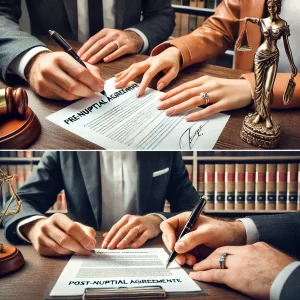 ies. This is important in cases where there is initial disagreement or complexity in the division of assets.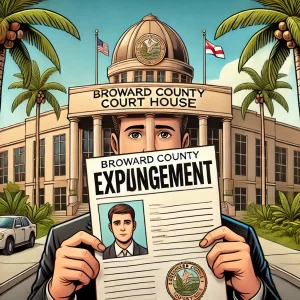





 Restitution: Payments made to victims to cover their losses caused by the fraudulent activities.


 How to Avoid Jail Time for Criminal Charges in Fort Lauderdale